Menu
$15 OFF First Time Rentals - Call Big Blue Today!
$15 OFF First Time Rentals - Call Big Blue Today!
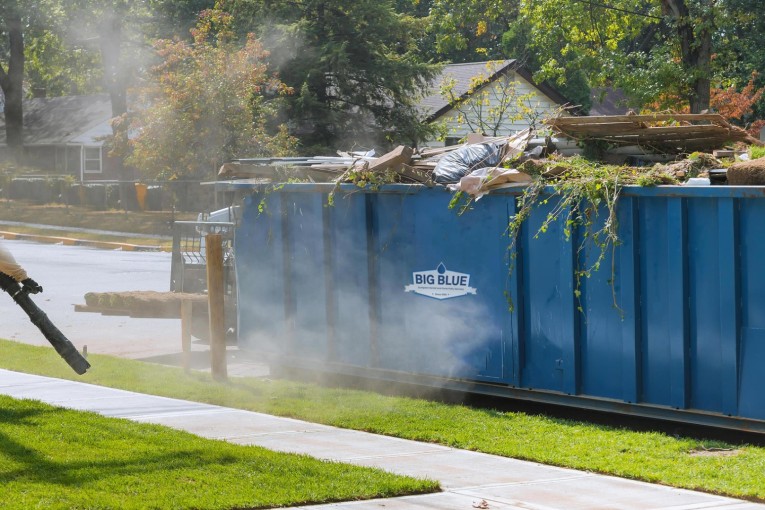

Loose nails, splintered boards, sharp metal, and broken materials can quickly turn a busy project area into a hazard for children, pets, and vehicle tires. Big Blue provides dumpster rental options that give you a single designated place to contain construction and cleanup debris, instead of letting it accumulate around the property. Keep reading to see how the right dumpster setup can make a job site safer and easier to manage.
Demolition and renovation debris rarely stays in one spot. As workers move materials through doorways, across yards, and down driveways, small pieces get dropped along the route. Roofing nails can roll away from a pile, broken drywall leaves fragments behind, and splintered lumber creates sharp scraps that are easy to miss. Even a careful crew will have a harder time keeping track of waste if there’s no single place to put it.
Do you need reliable dumpster or porta-potty rental? We offer residential, commercial and construction roll-off dumpster & portable toilet services.

Every job site produces more debris than expected. Securing the right construction dumpsters…

Renting a commercial dumpster sounds simple until you're staring at a surprise overage…

Home projects have a way of expanding once you get started, and lining…

Planning an event, managing a job site, or setting up a temporary workspace…
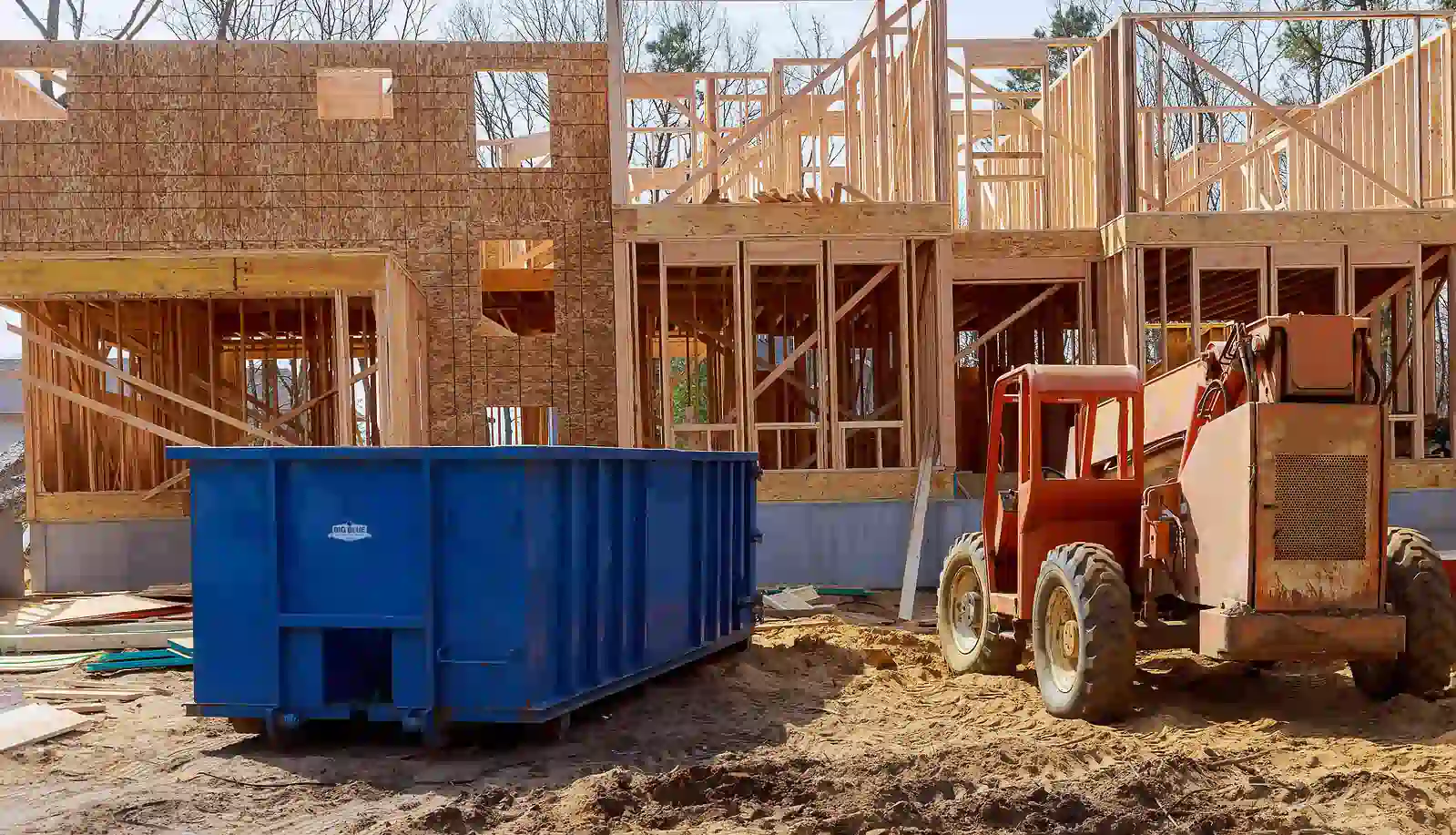
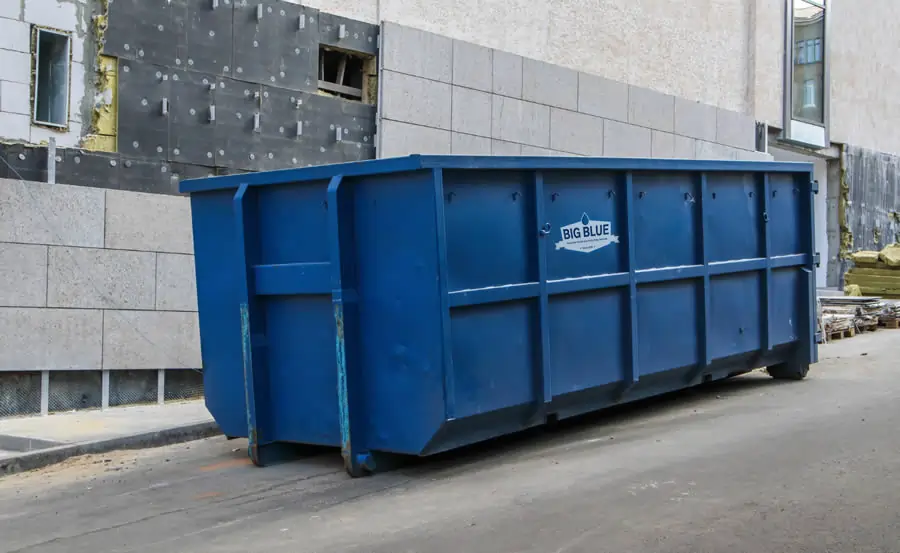
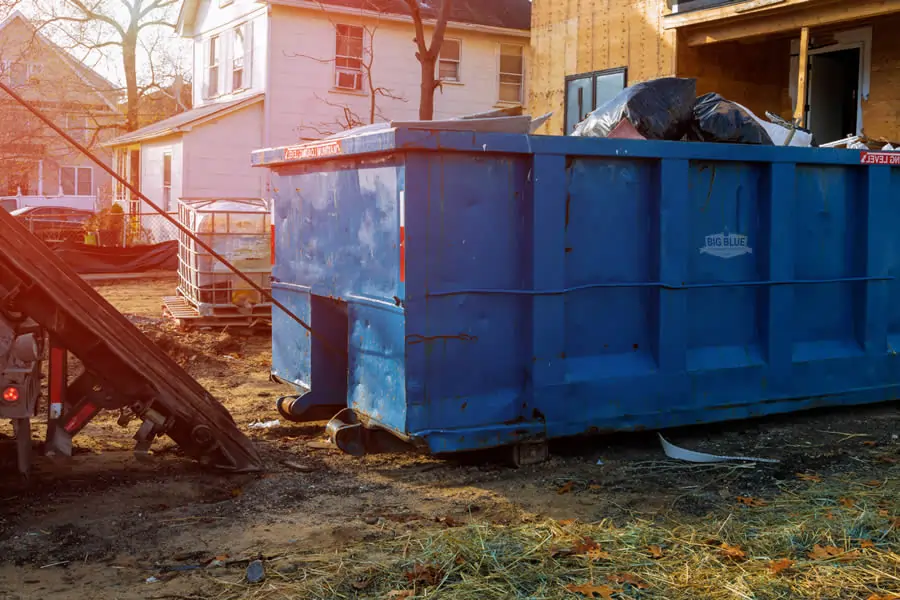
A roll-off dumpster gives workers a nearby place to take removed material right away. It cuts down on temporary piles beside the garage, near the curb, or along a walkway. With less debris sitting around the property, there are also fewer loose boards, nails, and scraps for someone to step on or trip over.
Driveways need extra attention during roofing, remodeling, and demolition projects because vehicles still have to pass through areas where debris is being moved. One roofing nail can puncture a tire, and screws, staples, wire, broken tile, and metal scraps can cause the same problem. Placing the container where workers can reach it easily helps keep materials from being carried across the property more than necessary.
A dumpster rental in The Villages, FL also gives cleanup crews one place to check when they finish for the day. Loose scraps still need to be swept or picked up, but workers aren’t searching several debris piles scattered around the property.
Debris piles have a way of spreading during a busy project. Old trim gets left beside the house, drywall ends up near the garage, and torn-out flooring gets dropped beside the driveway when the first pile starts getting too large. Soon, workers are dealing with several cleanup areas instead of one.
A roll-off gives everyone a clear place for discarded material. Rather than setting waste wherever there happens to be room, workers know it belongs in the container. This is especially helpful when several contractors are working on the property at the same time. A roofing crew, remodeling crew, flooring installer, and homeowner shouldn’t each be creating separate places for waste.
Think about container access before you rent a dumpster. Workers should have a practical route from the project area to the container without carrying bulky material through areas where people are regularly walking. A shorter disposal route reduces the chance that pieces will fall from overloaded wheelbarrows or be dropped while someone maneuvers around parked vehicles.
Children don’t always recognize construction debris as dangerous. A stack of boards might look like something to climb. An open box of hardware might invite exploration. Pieces of pipe, discarded cabinets, buckets, insulation, wire, and other materials may draw attention because they’re unfamiliar.
Waste stored in a roll-off is less accessible than debris spread across the yard. Nails and sharp edges are also more visible to adults when those items aren’t hidden in grass, underneath scrap lumber, or mixed into several small piles.
The dumpster doesn’t replace basic job-site boundaries. Children should still stay away from active construction areas, tools, machinery, ladders, and the container itself. Workers should also avoid leaving sharp pieces leaning against the outside of the dumpster or piled beside it when the container is getting full.
If you have pets that spend time outside, think about their usual path through the yard before deciding where to place a dumpster. Putting the container right beside a gate that needs to stay open during the project, for example, could make it harder to keep an animal contained. The placement should work for debris removal without disrupting how people and pets normally use the property.
Tire damage is one of the less obvious consequences of poor debris control. Fasteners are small enough to disappear against gravel, pavement, dirt, or grass. Roofing projects are especially prone to scattered nails because workers remove large amounts of material from elevated surfaces. Remodeling work also produces screws, staples, metal clips, wire, and other sharp pieces.
Once a vehicle rolls across one of those items, its weight can drive the point into the tread. The driver might not notice immediately. A slow leak could appear later after the vehicle has left the property.
Keeping debris contained also helps limit how far loose fasteners end up traveling. Instead of carrying torn-out material across several parts of the driveway, workers can take it toward one disposal point. It also gives contractors a smaller, more predictable area to cover during a final magnetic sweep and visual check.
Choosing a dumpster isn’t only about finding a container large enough for the expected waste. The timing of delivery and removal affects how useful the container remains during the project.
Once a dumpster is full, workers are more likely to start leaving material beside it simply because they have nowhere else to put it. Debris stacked too high can also become unstable or make the container harder to remove safely. If you expect the project to produce a large amount of waste, it’s better to plan for that volume before the container and surrounding area are packed.
Heavy materials like concrete, brick, soil, and roofing material place different demands on a container than lightweight household cleanout debris. Before you rent a dumpster, explain what the project involves so you can select an appropriate option and understand any restrictions that apply to the materials you plan to discard.
For longer projects, it helps to look ahead to what comes next. If demolition is followed by deliveries of cabinets, flooring, lumber, or fixtures, getting the old material out of the way first leaves more room to unload and store the new supplies.
A roll-off works best when it becomes part of the job-site plan from the beginning. Big Blue provides roll-off options for projects that need a dedicated place for construction and cleanup debris. Contact our team to discuss your project and choose a container that helps keep waste contained and your work area easier to manage.


It’s easy to underestimate how much you own until it’s time to move. Suddenly, you’re pulling things from the backs of…
Learn More