Menu
$15 OFF First Time Rentals - Call Big Blue Today!
$15 OFF First Time Rentals - Call Big Blue Today!
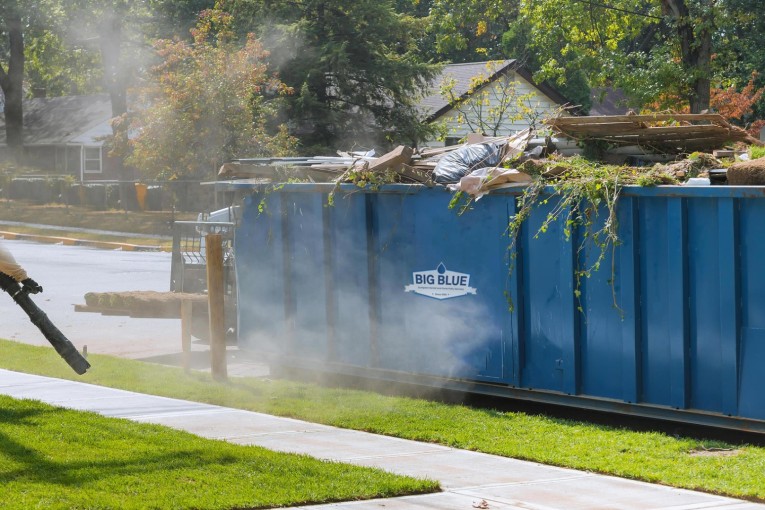

On a busy construction site, it's easy for debris to build up before anyone has time to haul it away. Demolition and renovation work can leave walkways crowded with scraps, which makes it harder to move equipment and increases the chance of someone getting hurt. Having a waste removal plan in place from the start helps keep the work area clear and the crew moving. Big Blue offers dumpster rental in Lecanto, FL options for contractors who need a reliable way to handle construction waste. Here are four ways to manage debris and make cleanup less of a hassle.
Before the first load of materials arrives or demolition gets underway, figure out where the construction waste will be collected. Without a place to put it, scraps tend to end up wherever someone was working. You might find broken drywall leaning against a wall or packaging stuffed into empty corners. The piles soon start taking up space the crew needs. A central collection area makes it easier for everyone to dispose of waste as they go.
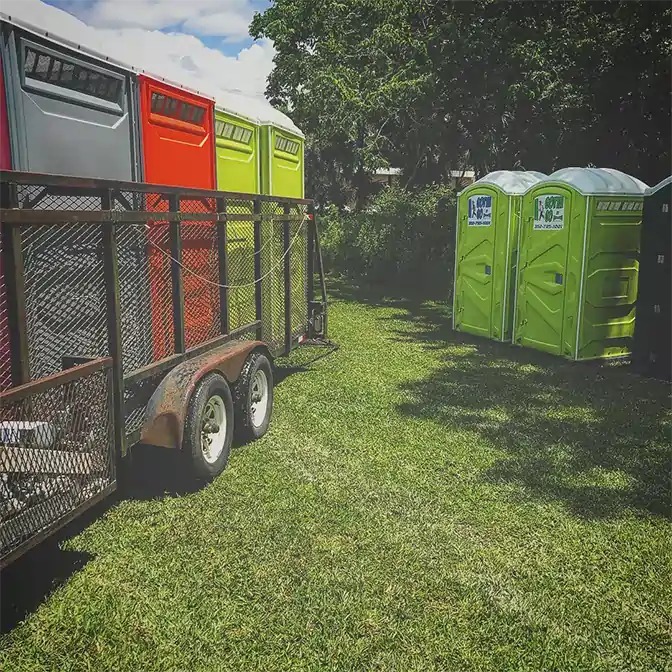
Do you need reliable dumpster or porta-potty rental? We offer residential, commercial and construction roll-off dumpster & portable toilet services.

Every job site produces more debris than expected. Securing the right construction dumpsters…

Renting a commercial dumpster sounds simple until you're staring at a surprise overage…

Home projects have a way of expanding once you get started, and lining…

Planning an event, managing a job site, or setting up a temporary workspace…
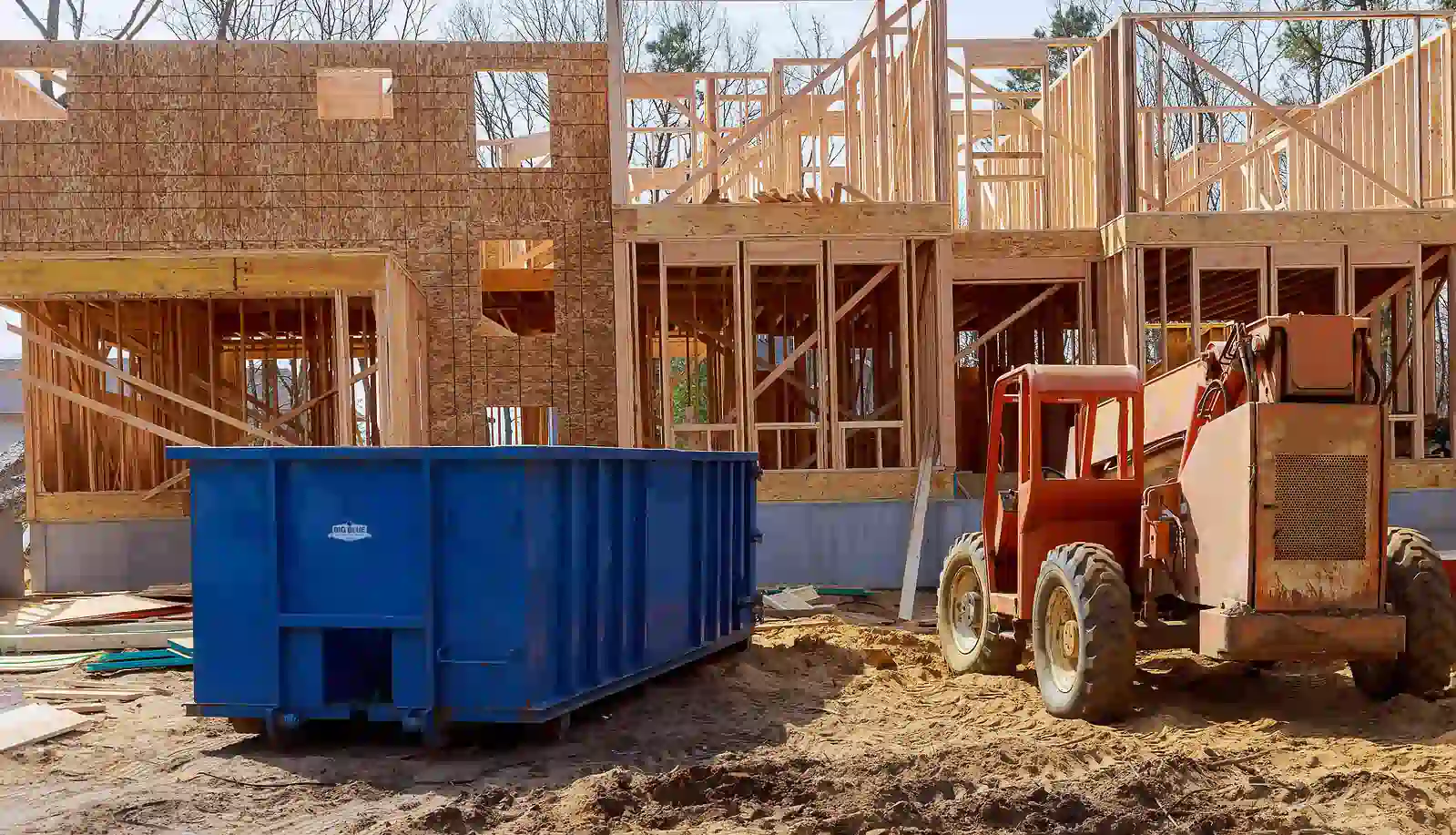
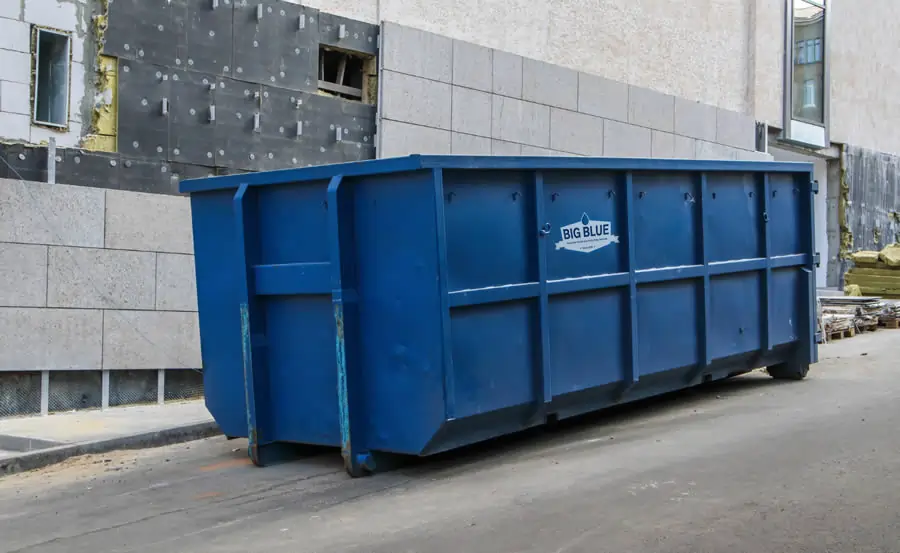
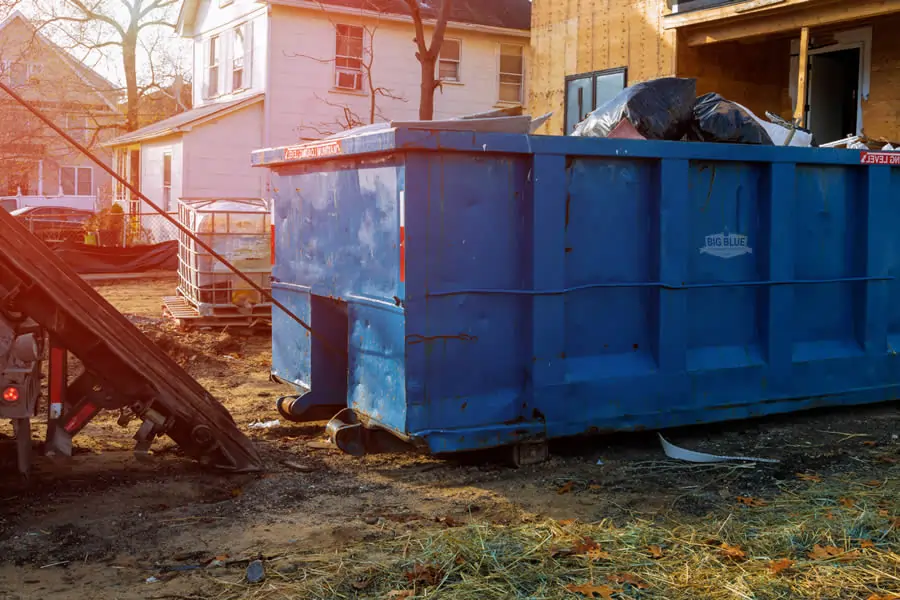
Choose a location the crew can reach without crossing busy equipment paths or carrying heavy debris a long distance. If the project covers several floors or has work happening in different areas, smaller collection spots may be more practical. Workers can gather scraps nearby and move them to the main dumpster a few times throughout the day.
Spend a few minutes talking about waste disposal during the first crew meeting. Workers need to know what goes in the dumpster and what should be kept somewhere else. Some leftover lumber may be useful later, and certain fixtures might be worth saving or recycling. Decide who's going to keep an eye on the collection area, too. Otherwise, it's easy for something the crew still needs to end up in the trash, or for restricted materials to get mixed in with ordinary debris.
The amount of waste your crew produces will change as the project moves along. Demolition tends to generate large loads of drywall, old cabinets, and torn-out framing. During framing, you'll have lumber offcuts and packaging to deal with. Drywall installation leaves behind broken sheets, cut pieces, and empty compound containers. Later, flooring work adds carpet scraps, tile, underlayment, and more packaging. Looking ahead at these stages can help you work out when the dumpster is likely to fill up and whether you'll need another pickup.
Look over the construction schedule and mark the jobs that will produce the most debris. Tearing out a kitchen, for instance, can leave you with cabinets, countertops, flooring, and drywall all at once. You might need a separate dumpster or an extra pickup before the next crew comes in. A smaller remodel with very little demolition probably won't need as many container exchanges, as long as there's enough room for the waste.
It's also a good idea to plan pickups before the dumpster fills up. If the crew runs out of room halfway through demolition, they'll either have to stop clearing debris or start piling it somewhere else. Neither option is good for keeping the job moving. Check how full the container is before starting another major phase and book an exchange when you expect to need one.
You can't throw everything from a demolition job into the same dumpster. Paint, solvents, fuel, certain adhesives, chemicals, batteries, and other regulated materials often have their own disposal rules. If these items get mixed in with lumber, drywall, and other construction waste, you could run into problems at the disposal facility. In some cases, the facility might even reject the entire load.
Be especially careful when working on older buildings. Asbestos and lead-based paint can turn up in flooring, insulation, siding, painted surfaces, and other parts of the structure. Cutting, breaking, or removing some of these materials can release harmful dust or fibers. Check the inspection and testing requirements that apply to the project before disturbing anything that might contain these substances. If hazardous materials are found, they need to be handled and disposed of according to the appropriate regulations. A standard dumpster rental isn't meant for that kind of waste.
Other materials need special disposal even if they aren't considered hazardous waste. Refrigerators and air conditioners have refrigerants that must be properly recovered before the units are discarded. Fluorescent light bulbs contain mercury, and many batteries and electronics have separate recycling requirements. You may also find that local disposal facilities have rules about tires, mattresses, and treated lumber.
Workers should have a clear idea of what doesn't belong in the regular construction dumpster. A few labels around the storage area can help, especially when different materials are being collected in the same part of the site. Keep chemicals in closed, properly marked containers and follow any special storage requirements. If something looks suspicious, workers should leave it alone until a qualified person can check it out. It's better to deal with a questionable material right away than risk exposing the crew or having a load rejected later.
A few scraps left in the wrong place can create trouble on a construction site. Someone carrying tools or materials might not notice a piece of lumber or an electrical cable lying across their path. Broken tiles, nails sticking out of boards, and sharp metal scraps can also cause injuries. Stairs, ladders, and doorways need particular attention, since workers carrying bulky materials may have a limited view of where they're stepping.
Don't leave walkway cleanup until the end of the shift. Keep the main paths between work areas, material storage, and exits clear as the day goes on. Have workers pick up scraps as they finish each task and put leftover supplies back where they belong. When debris needs to be moved through an area everyone uses, carts or containers can help keep smaller pieces from spilling onto the floor or ground.
Forklifts, skid steers, and delivery trucks need plenty of space to move around safely. Piles of debris near loading areas or tight turns can block an operator's view or get caught under wheels and tracks. Place dumpsters away from the routes these vehicles use, and remember to leave room for workers to open the dumpster doors and load materials. If people will be walking near operating equipment, make sure there are appropriate barriers or traffic rules to keep them separated.
Pay attention to how the dumpster gets loaded as well. Workers shouldn't toss heavy debris from above if there's a chance of hitting someone below. Spread heavy materials appropriately, follow the rental company's loading instructions, and don't pile waste above the fill line. An overloaded container might not be safe for the truck to haul away, which could mean unloading the extra debris before the driver can pick it up.
When you're ready to rent a dumpster in The Villages, FL, tell the provider what kind of construction work you're doing and what you'll be throwing away. Mention any especially heavy debris, when demolition is scheduled, and whether the truck might have trouble reaching the site. Big Blue has dumpster rental options for contractors handling construction waste. Contact Big Blue to go over your project's needs and choose a container and pickup arrangement that works for your schedule.


On a busy construction site, it's easy for debris to build up before anyone has time to haul it away. Demolition…
Learn More