Menu
$15 OFF First Time Rentals - Call Big Blue Today!
$15 OFF First Time Rentals - Call Big Blue Today!
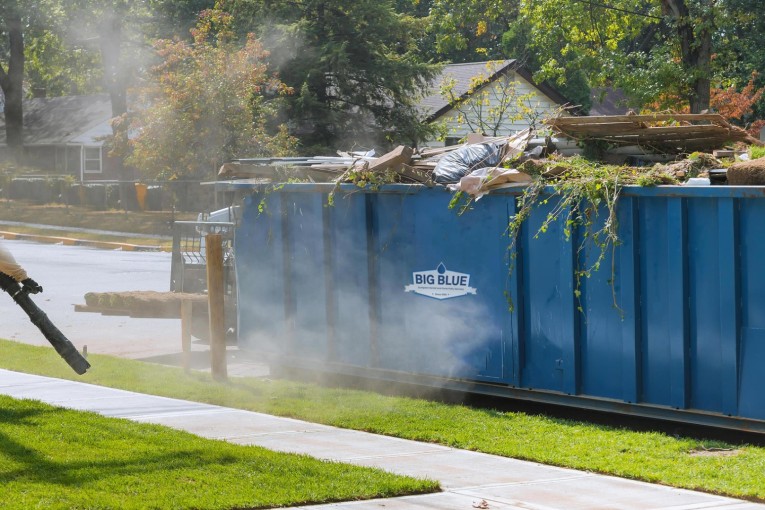

It’s easy to underestimate how much you own until it’s time to move. Suddenly, you’re pulling things from the backs of cabinets, opening closets you haven’t cleaned out in years, and wondering whether half of it needs to make the trip. At Big Blue, we’ve seen how much easier moving can be when there’s simply less to pack. Clearing things out ahead of time can also lower moving costs and leave you with fewer boxes to deal with at the new house. Before you start packing everything in sight, spend some time deciding what you actually want to bring. Here are a few ways to make those decisions without turning decluttering into a project of its own.
You don’t have to tackle the entire house in one weekend. Start where unwanted items have collected. Garages, basements, spare bedrooms, closets, sheds, and storage rooms usually give you the best opportunity to reduce the amount you’ll need to pack.
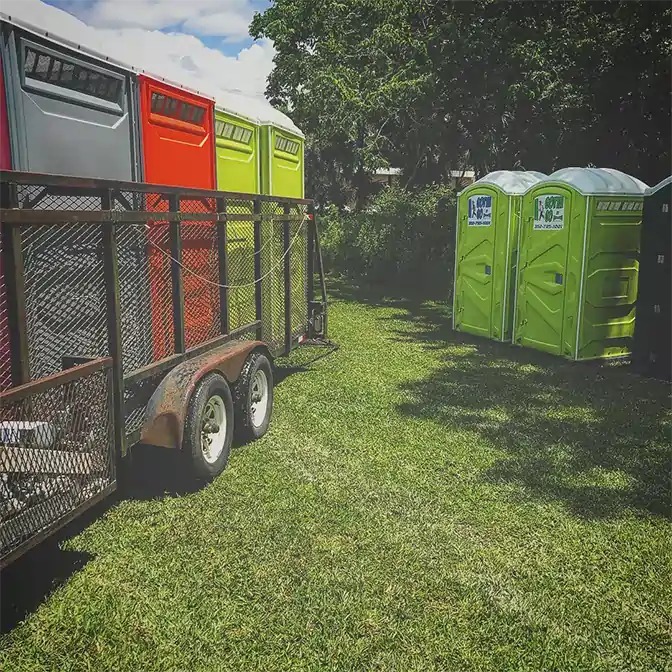
Do you need reliable dumpster or porta-potty rental? We offer residential, commercial and construction roll-off dumpster & portable toilet services.

Every job site produces more debris than expected. Securing the right construction dumpsters…

Renting a commercial dumpster sounds simple until you're staring at a surprise overage…

Home projects have a way of expanding once you get started, and lining…

Planning an event, managing a job site, or setting up a temporary workspace…
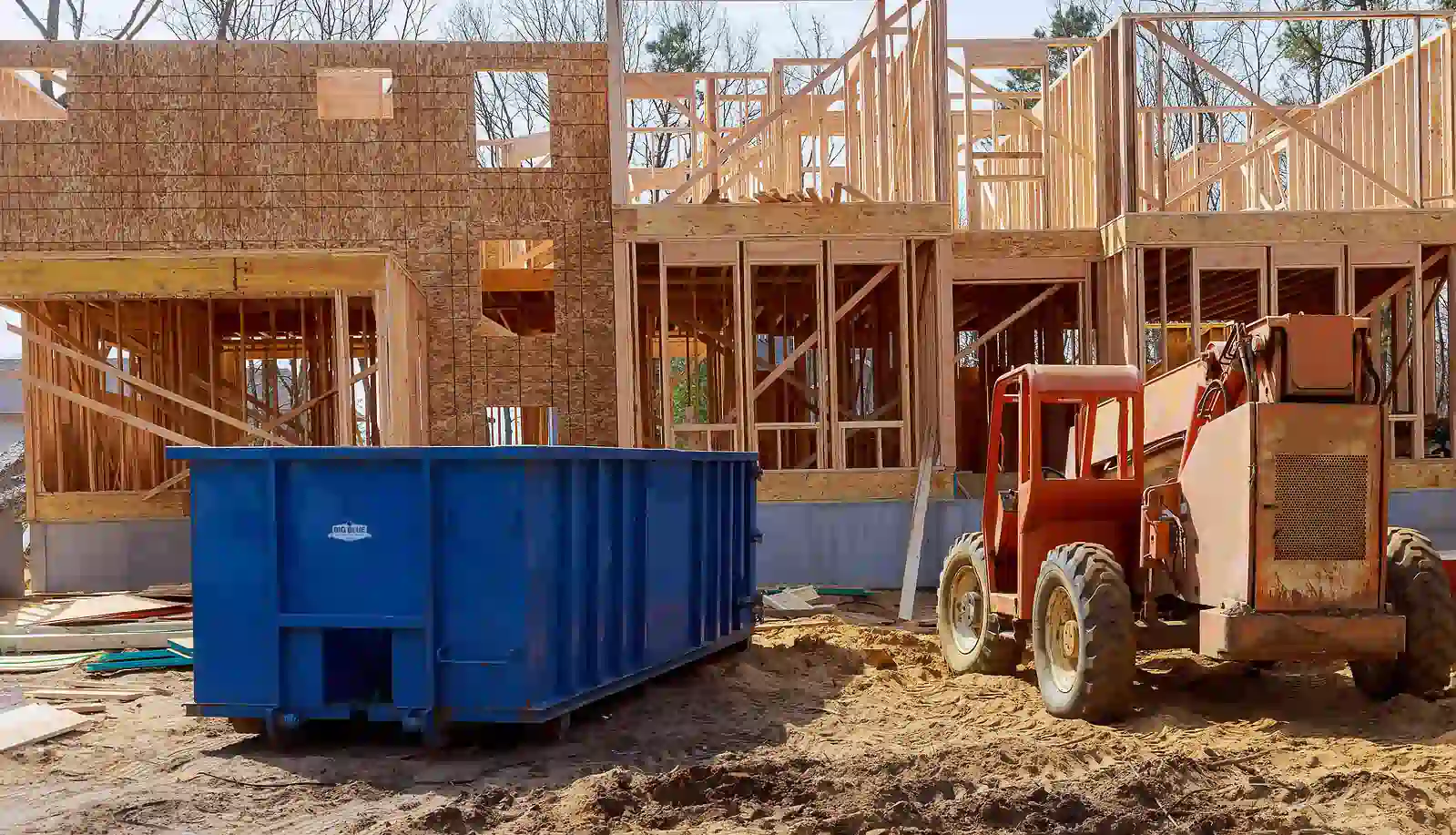
Move stored items out far enough that you can really see what's there. A piece of old furniture sitting behind a stack of boxes is much easier to forget when it hasn't moved in years. Look for broken shelves, cracked storage bins, and equipment that no one uses anymore. Going through these neglected areas first clears out a surprising amount of material before you begin packing the things you use every day.
Create separate areas for what you’ll keep, donate, sell, recycle, and discard. Avoid creating a giant “decide later” pile that tends to follow people all the way to the new house. Give questionable items a specific decision before you move to the next room.
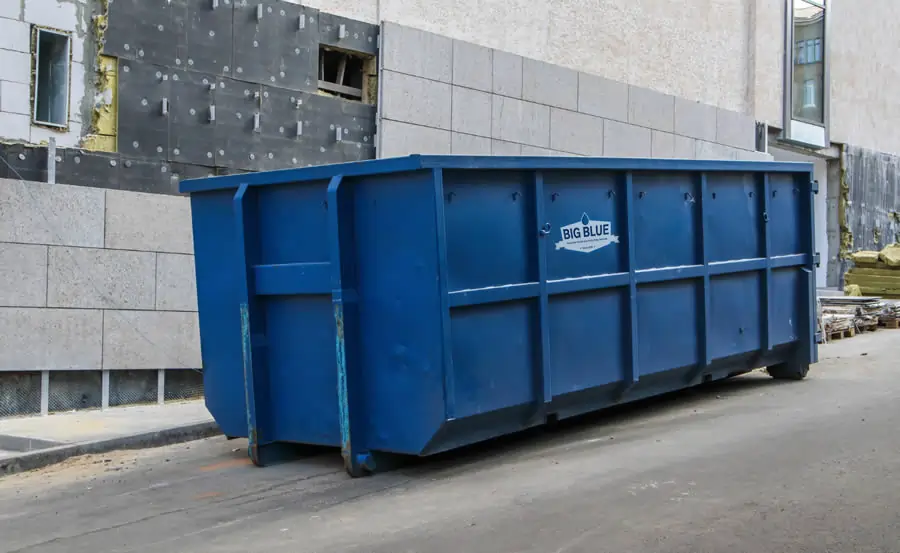
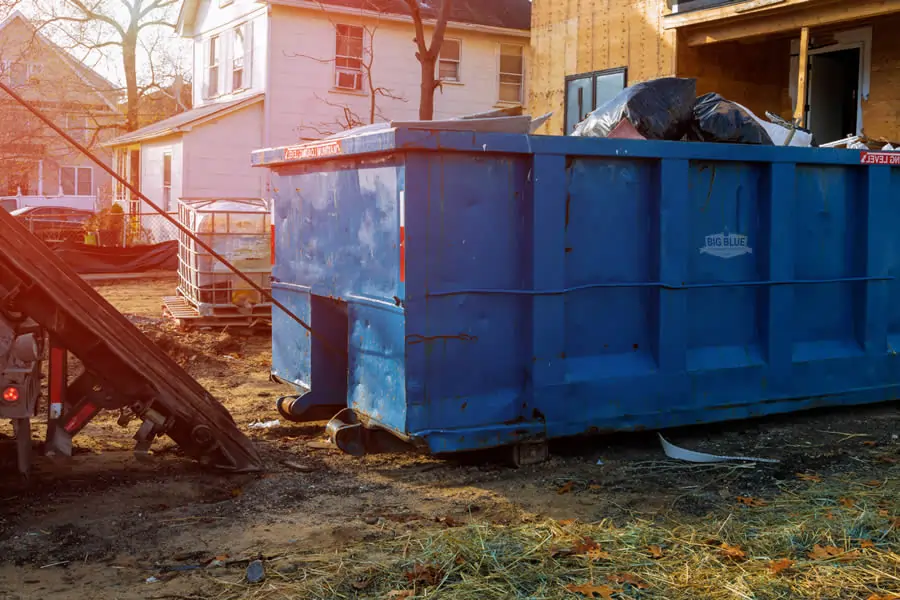
Large cleanup projects may leave you with more trash than your regular collection service will accept. A dumpster rental gives you one place for approved household debris while you work through several rooms. Check the container provider’s rules before tossing appliances, electronics, paint, chemicals, batteries, or other restricted materials.
Moving puts a date on decisions you may have postponed for years. Look at each questionable item and ask what role it has in your current household. When did you last use it? Do you have another item that serves the same purpose? Is it worth paying movers to transport it, or spending your own time carrying it into a truck and back out again?
Duplicates are worth dealing with before you start filling boxes. Check the kitchen for extra mugs, pans, utensils, storage containers, and small appliances that you almost never pull out of the cabinet. The same goes for old towels and mismatched sheets in the linen closet or extra tools and project supplies sitting in the garage. Decide which ones you regularly use and get rid of the rest.
Set a deadline several days before packing begins. If you plan to rent a dumpster in Citrus Hills, FL, scheduling it for the decluttering stage gives you time to work through the house before boxes and moving supplies take up all of your space.
Something you don't want to take with you doesn't automatically belong in the trash. Furniture, working appliances, clothes, books, toys, tools, and other household goods may still be useful to someone else. Selling or donating what you can gives those belongings another home while cutting down on the number of boxes headed to your new address.
If you want to sell anything, give yourself plenty of time. An online listing might find a buyer the same day, but it can just as easily sit for a few weeks. Decide in advance when an item has to be picked up, and don't let an unsold listing become the reason you end up moving it anyway. For inexpensive items in particular, the space they take up and the effort required to move them may be worth more than the money you'll make from the sale.
After the sale and donation piles are gone, you may still have damaged furniture, worn materials, and general household debris left behind. A dumpster rental can handle most common materials. If you decide to rent a dumpster, choose the container based on the type and approximate volume of debris rather than guessing from the number of rooms in the house.
Broken belongings are better dealt with before moving day than packed for later. A cracked plastic shelf, damaged particleboard bookcase, worn garden hose, or chair that needs major repairs won't be any more useful at the new house. Taking care of those items now means you won't have to unpack them only to make the same decision again.
Consider replacement cost as part of the decision. Some inexpensive household items occupy a surprising amount of truck space. Large worn trash cans, damaged storage tubs, old shower curtains, low-cost shelving, and bulky packing materials may cost little to replace later. Transporting them can consume space that could hold furniture or boxes you genuinely want.
As you decide what needs to be discarded, keep the items separate from anything that's going with you. Don't pile them next to packed boxes where they could accidentally end up on the moving truck. If you're clearing out a large amount at once, a dumpster rental service gives you one place to keep discarded materials contained until they're ready for pickup.
Packing provides one final test. Before you wrap an item or place it inside a box, ask whether you want to spend time unpacking it at the new house. If the answer is no, reconsider why it’s going into the truck.
Don’t forget about the little things tucked into drawers and cabinets. One junk drawer may not look like much, but chances are there are similar piles scattered around the house. You may find old phone chargers, pens that no longer work, expired coupons, spare hardware, keys you don’t recognize, and manuals for things you may not even own anymore. Sort through this stuff as you find it. Otherwise, you’re likely to pack the whole drawer and end up going through the same clutter again when you unpack.
As moving day gets closer, try to keep the cleanup pile away from everything you've already packed. If you've rented a dumpster, tackle the bigger disposal jobs early enough that they're finished before the moving truck shows up. You don't want unwanted furniture or bags of debris crowding the driveway when boxes need to come out of the house. Clearing the space beforehand gives the moving crew more room to load furniture and boxes without working around discarded materials.
Anything you clear out ahead of time is something you won't have to wrap, lift, haul, unload, and find a place for at the new house. You don’t need to empty half your home to make a difference. Clearing one storage room, removing unused furniture, or cutting several boxes from each room can reduce the amount of work waiting at the other end of the move. If your pre-move cleanup produces more debris than regular trash service can handle, contact Big Blue to discuss your disposal needs and available container options.


It’s easy to underestimate how much you own until it’s time to move. Suddenly, you’re pulling things from the backs of…
Learn More