Menu
$15 OFF First Time Rentals - Call Big Blue Today!
$15 OFF First Time Rentals - Call Big Blue Today!
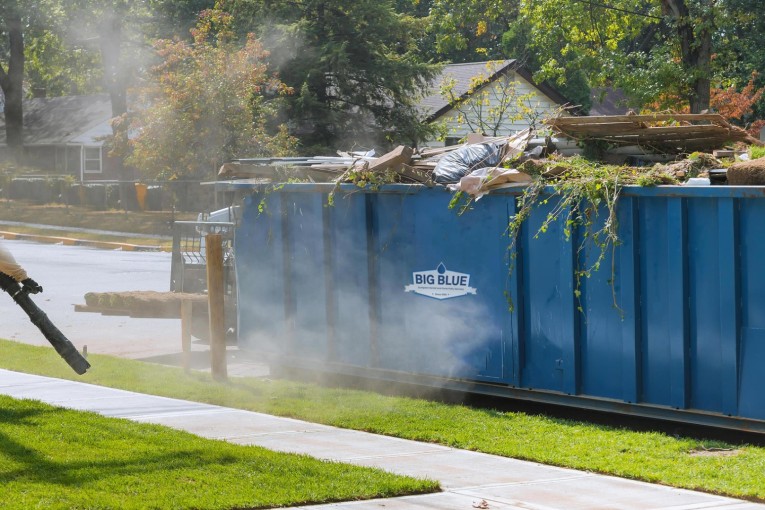

A dumpster that ends up heavier than expected can cause problems right when you’re ready to move on with the job. You may have to remove some of the debris, wait longer for pickup, or pay extra fees you didn’t include in the budget. At Big Blue, we help customers plan their dumpster rental in Dunnellon, FL around the debris they expect to toss and how much of it they have. Keep reading to learn why weight limits matter, which materials pile on the pounds fastest, and what you can do to prevent pickup delays.
Dumpster size and dumpster weight are two different things. A big container doesn’t mean the truck is allowed to haul an unlimited amount. The truck, tires, axles, lifting equipment, and road limits all play a part. With dense debris inside, a dumpster can become too heavy even if there’s still plenty of room left at the top.
Do you need reliable dumpster or porta-potty rental? We offer residential, commercial and construction roll-off dumpster & portable toilet services.

Every job site produces more debris than expected. Securing the right construction dumpsters…

Renting a commercial dumpster sounds simple until you're staring at a surprise overage…

Home projects have a way of expanding once you get started, and lining…

Planning an event, managing a job site, or setting up a temporary workspace…
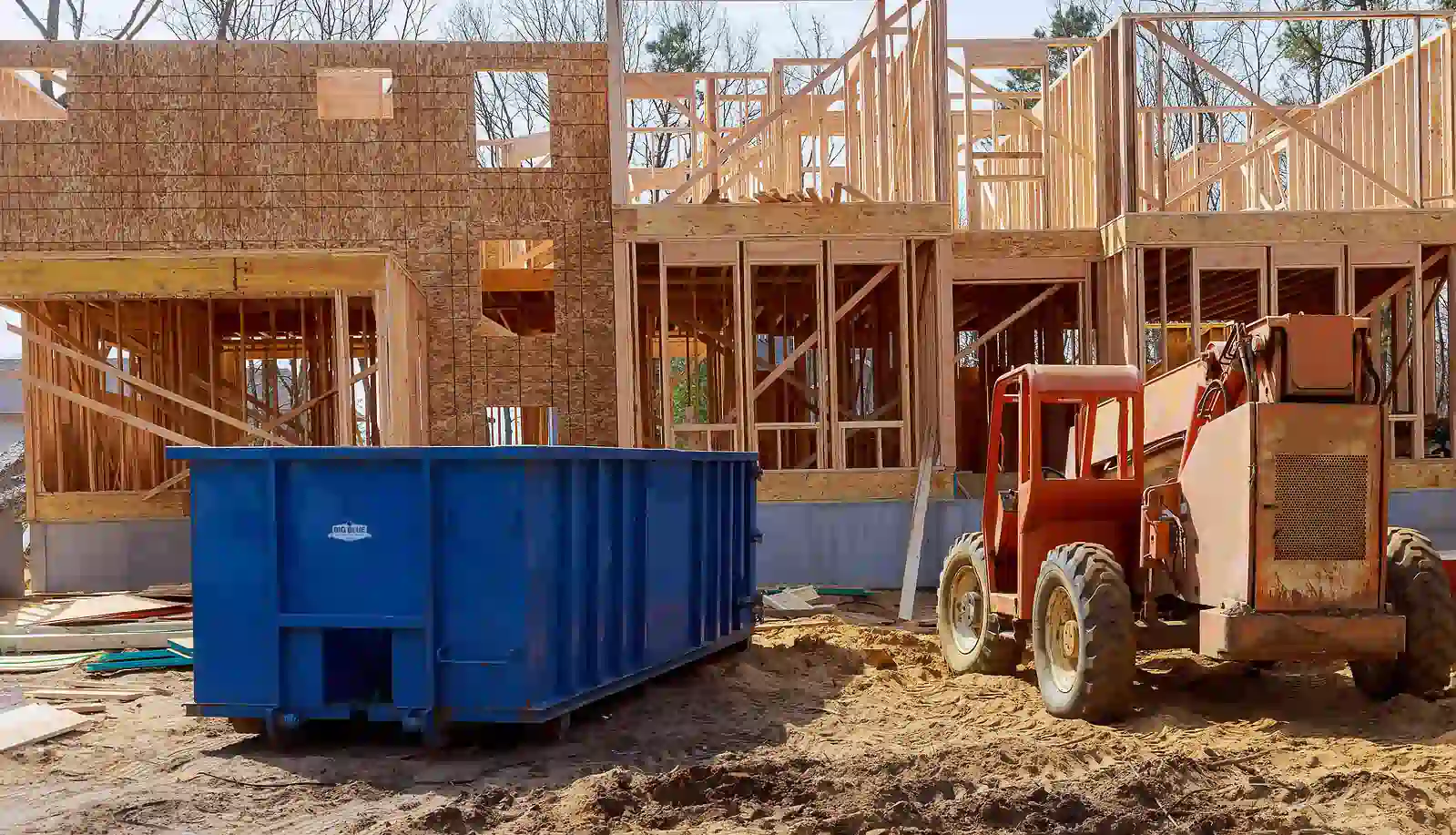
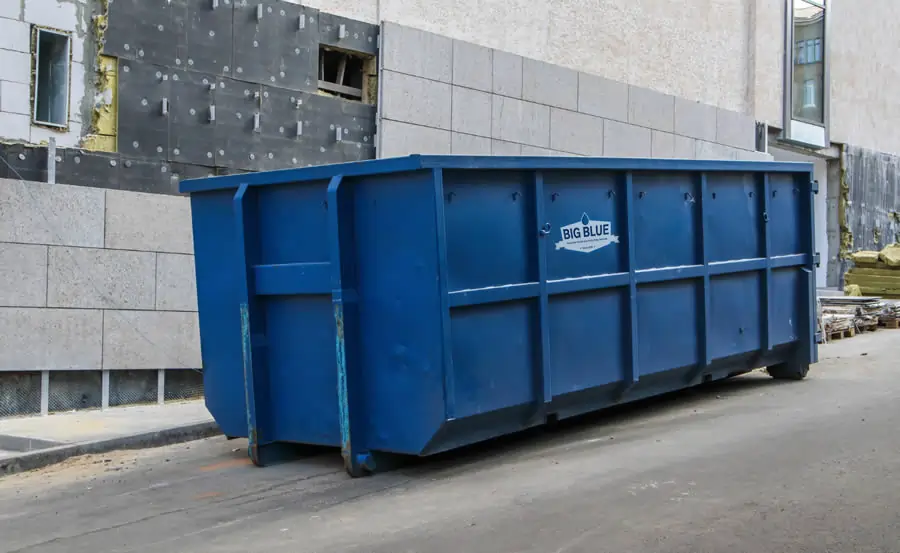
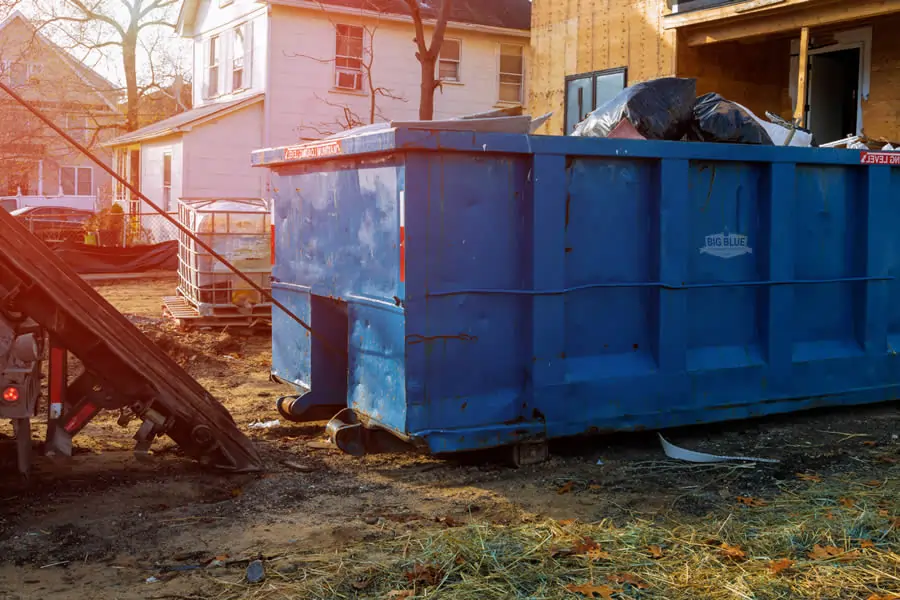
Weight becomes especially important when the driver arrives for pickup. The truck has to lift the container safely, place it on the vehicle, and transport it on public roads. If the load exceeds the acceptable limit, simply hauling it away as planned might not be an option. Some material may need to come out before the container leaves the property.
Disposal costs can change with weight too. Landfills and transfer stations usually weigh the load when it comes in, and many charge according to tonnage. Your rental may include a certain amount of weight, with an extra charge for anything beyond it. Before you rent a dumpster in Triangle, FL, it helps to know what you’re throwing away so you can choose a container that makes sense for the job.
Some types of debris barely take up space but add a lot of weight in a hurry. Concrete is a good example. A relatively small amount of broken patio, sidewalk, or masonry can weigh much more than a larger pile of cardboard, drywall scraps, or household junk.
Brick, block, stone, dirt, roofing material, plaster, tile, and shingles can also add a lot of weight. Renovation jobs get harder to judge when several heavy materials go into the same container. A roofing tear-off may not look like much from the driveway, but old shingles add up quickly. Bathroom demolition can do the same thing once tile, mortar, cement board, fixtures, and plaster all go into one dumpster.
Before choosing a dumpster rental, identify the heaviest material in your project rather than estimating only how many bags, boards, or pieces you expect to remove. A container intended for bulky household junk may not be the right choice for several tons of concrete or roofing debris.
Dumpster sizes are commonly described by cubic yards. That measurement tells you how much physical space exists inside the container, but it doesn’t tell you how heavy the contents will become.
A dumpster packed with furniture may look nearly full without weighing anywhere close to one that contains a smaller amount of broken concrete. Mattresses, cabinets, boxes, branches, and packaging use plenty of room without adding the same amount of weight. Dirt, stone, shingles, and masonry are the opposite because they pack a lot of weight into a relatively small amount of space.
Think about both measurements before the project begins. Estimate how much room the debris will occupy, then consider how dense that material is. If you plan to rent a dumpster for a demolition project, tell the provider what you’re removing instead of describing the project only as a kitchen remodel, roof replacement, or cleanup.
Problems usually start when pickup day arrives, and the dumpster is heavier than the truck can take. The driver may have to leave it in place until some of the debris is removed. Instead of finishing the cleanup and moving on, you’re stuck unloading part of a container you thought was ready to go.
Construction and remodeling jobs also depend on having enough room to work. A full dumpster left in a driveway, loading area, or jobsite can get in the way of what comes next. A contractor may need that space for equipment. A homeowner might be waiting for a delivery and need the driveway open. In some cases, another container is already scheduled to take the first one’s place.
Weight isn’t the only loading problem that creates pickup trouble. Debris stacked above the top edge can prevent the load from being transported safely. Long boards, pipes, furniture, or demolition material that sticks above the container may need to be repositioned or removed.
Begin with a simple list of what you’re throwing away. Pay attention to which materials will make up most of the load. A garage cleanout with boxes, furniture, and household clutter has very different disposal needs from a patio demolition packed with concrete, even if both projects leave behind a pile that looks about the same size.
Then estimate how much debris you have without assuming the dumpster should always be filled to the top. Heavy material may hit the weight limit long before the container reaches the fill line. If you’re getting rid of concrete, brick, dirt, tile, roofing debris, or another dense material, bring that up before you place the order.
When you rent a dumpster, ask what weight is included with the container, how high you’re allowed to load it, which items are prohibited, and what happens if you go over the agreed weight. With those details in hand, you can choose based on the work you’re doing instead of looking at container dimensions alone.
Big Blue helps customers choose a dumpster rental based on the debris they need to remove and the demands of the project. When you’re ready to clear construction material, renovation waste, household clutter, or other debris, contact Big Blue to discuss your project and rent a dumpster.


It’s easy to underestimate how much you own until it’s time to move. Suddenly, you’re pulling things from the backs of…
Learn More