Menu
$15 OFF First Time Rentals - Call Big Blue Today!
$15 OFF First Time Rentals - Call Big Blue Today!
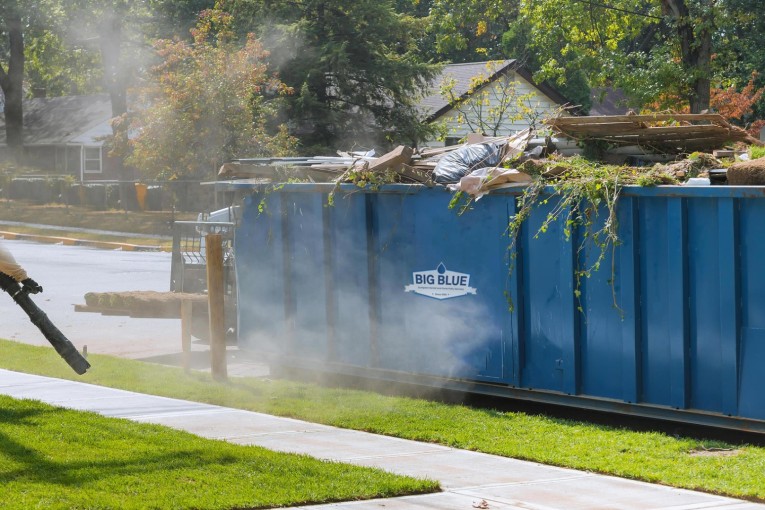

A dumpster can look half empty and still be much heavier than you expected. Many customers get caught off guard because container size is based on volume, while disposal costs also depend on weight limits for the materials inside. At Big Blue, we help customers understand the limits before they rent a dumpster so the container matches the amount and type of debris. Keep reading and find out how volume and weight differ, which materials add up quickly, and how to choose a dumpster rental company that helps you avoid unnecessary overage charges.
Dumpster sizes are usually described in cubic yards. A 10-yard container holds about 10 cubic yards of material, while a 20-yard container provides roughly twice the volume. These numbers show how much space you have available, but they don't explain how many pounds fit inside.
Do you need reliable dumpster or porta-potty rental? We offer residential, commercial and construction roll-off dumpster & portable toilet services.

Every job site produces more debris than expected. Securing the right construction dumpsters…

Renting a commercial dumpster sounds simple until you're staring at a surprise overage…

Home projects have a way of expanding once you get started, and lining…

Planning an event, managing a job site, or setting up a temporary workspace…
That difference matters because two dumpsters filled to the same level can have very different weights. A container packed with broken-down cardboard, old cabinets, carpet, and household clutter may use nearly every cubic yard without becoming exceptionally heavy. Fill the same amount of space with broken concrete and the weight climbs much faster.
The size rating tells you how much space the container provides. Weight is a separate issue and depends on how much material the rental company can haul and dispose of under the agreement. A larger dumpster gives you more room for bulky items, but that doesn’t mean every part of the container can be packed with heavy debris.
Dense debris can use surprisingly little space while contributing thousands of pounds to a load. Concrete is an easy example. A few inches of broken concrete spread across the bottom of a dumpster may not look like much from above. The truck still has to lift and transport every pound.
The same issue arises with brick, stone, soil, asphalt, tile, plaster, and other dense construction materials. These loads reach their allowed weight while plenty of open space remains above them. Adding more material because the dumpster isn't full pushes the load beyond what the container can safely carry.
Volume is easier to judge by sight, but weight isn't. Unless you're used to estimating construction debris, there may be little visual difference between a load within its allowance and one substantially above it. For heavy projects, the better question isn't just, "Will all of this fit?" You also need to consider how much the debris weighs per bucket, wheelbarrow, or section of the project.
Some projects need special attention because their waste is dense from the start. A whole-house cleanout may produce a large pile of material, yet much of it consists of furniture, boxes, clothes, plastic, wood, and other relatively light items. A roofing tear-off or concrete demolition project is different.
Roofing shingles take up less space once they’re removed. They tend to lie flat and stack tightly, which leaves very little open space between layers. Concrete, dirt, brick, and stone are heavier still. Even a fairly small pile from a patio, walkway, retaining wall, or landscaping job can add up to a substantial amount of weight. Projects where weight needs extra attention include:
Mixed renovation debris is trickier than a single-material project because density changes as the job moves from one room or phase to another. A dumpster might start with cabinets, drywall scraps, lumber, and packaging. Later, someone adds old tile, a cast-iron fixture, several bags of broken mortar, or pieces of a concrete slab.
None of those additions has to take up much room. Together, they can considerably change the weight of the load. Tracking the heavy portion of the project makes estimates more useful. If you know part of the job involves masonry, roofing, dirt, tile, or another dense material, mention it when planning the dumpster rental in Homosassa, FL. A description of the debris can be more helpful than simply saying you're remodeling a bathroom or cleaning out a garage.
Weight limits might vary from one dumpster rental to another. The amount included may depend on the container size, rental agreement, type of debris, hauling needs, and disposal requirements. Because of that, the space available inside the dumpster and the amount of weight covered by the rental should be treated as two separate limits.
A container may have room for more debris even after the included weight has been reached. In other cases, the nature of the material may call for limits on how high the dumpster should be loaded. Before loading begins, it helps to know:
Extra weight creates problems throughout the hauling process. The truck has to lift the container, secure it for transport, carry it safely on public roads, and unload the debris at the disposal facility. A dumpster that’s loaded above its weight limit will incur an overage charge based on the excess tonnage.
A severely overloaded container will need to be partially unloaded before it can be safely hauled. This interrupts a project and leaves someone responsible for removing material from a container they thought was ready for pickup.
Debris piled above the top edge causes trouble even when weight isn't the main concern. Loose boards, furniture, branches, demolition scraps, or bags shouldn't stick above the container walls where they can shift during transport. A dumpster can be too full by volume, too heavy by weight, or both. Paying attention to the limits gives you a much clearer definition of "full."
Choosing a container works best when you start with what you're throwing away instead of picking a size from the cleanup area. A large garage cleanout may need plenty of cubic yards because the debris is bulky. A small concrete demolition job may require much less space but more attention to weight.
Before the project begins, make a quick list of what you expect to throw away. It helps to separate bulky materials from heavier debris when estimating the load. If several rooms are being torn out, consider the materials being removed along with the size of the space. Drywall, cabinets, lumber, tile, masonry, roofing, and soil can all add very different amounts of weight.
Don’t assume open space means the dumpster should keep being filled. A container holding mostly dense debris may need to stay only partly full. Keeping the load within the rental limits matters more than using every inch of available space.
A well-matched dumpster rental is based on cubic yards and pounds. When you're planning a cleanup, renovation, roofing job, or demolition project, Big Blue can help you compare the amount of debris with the type of material you're removing so you aren't relying on container size alone. Understanding the difference between space and weight before loading starts makes it easier to choose the right dumpster rental, stay within the limits, and avoid unexpected charges at the end of the job.


It’s easy to underestimate how much you own until it’s time to move. Suddenly, you’re pulling things from the backs of…
Learn More