
Menu

$15 OFF First Time Rentals - Call Big Blue Today!

FAQ

FAQ

Learn more about Big Blue Waste services on our FAQ page. Find answers about dumpster and porta-potty rentals, pricing, and scheduling. Get help and call today.

4.9 RATING
FAQS

Frequently-Asked Questions

Contact Now
What affects the costs of a dumpster or portable restroom rental?

Pricing is influenced by size, rental duration, service frequency, disposal fees, and location. Travel distance and material type also affect overall cost. Understanding these factors helps with accurate budgeting before a project begins.

How far in advance should dumpster or restroom rentals be scheduled?

During busy seasons like spring and summer, availability can tighten fast. Book in advance to allow more flexibility in scheduling and equipment selection. Early planning also provides time to take care of any permit or placement considerations.

What should not be placed in a portable restroom?

Portable restrooms are designed for human waste and toilet paper only. Trash, wipes, feminine hygiene products, and other materials can clog the unit and complicate servicing. Clear signage helps prevent misuse.

Can dumpsters be used for concrete or dirt only?

Heavy materials like concrete and soil usually require dedicated containers because of their weight. Mixing them with lighter debris can exceed standard weight allowances. Specialized dumpsters are commonly used for these dense materials.

Are handwashing stations necessary at events?

Handwashing stations are recommended when food is served or when large crowds are present. Some local health codes require them. Providing access to hygiene facilities always improves the guest's experience.

Can portable restrooms tip over?

Portable restrooms are designed to be stable when placed on level ground. However, uneven surfaces or severe weather can increase the risk of tipping. Proper placement on firm, flat ground reduces safety concerns.

What is included during portable restroom servicing?

Servicing involves waste removal, interior cleaning, restocking toilet paper and sanitizer, and adding deodorizing agents. It keeps units usable and compliant with health expectations. Scheduled servicing is important for longer rentals.

How often should portable restrooms be serviced?

Service frequency depends on the usage levels and event length. High traffic sites may require cleaning, pumping, and restocking multiple times during extended projects. Regular maintenance helps control odor and maintain sanitary conditions.

Do portable restrooms require water or power hookups?

Basic portable units are self-contained and don't need electricity or plumbing connections. Restroom trailers may require access to power and water, depending on the model. Setup requirements vary by unit type.

What types of portable restrooms are available?

Standard units are the most common and are used at construction sites and outdoor events. There are also ADA-compliant units for accessibility and restroom trailers designed for formal gatherings. Handwashing stations may be added when required.

Are portable restrooms required on construction sites?

Worksite sanitation requirements are governed by OSHA. Most active job sites must provide accessible restroom facilities for employees. Compliance helps maintain health standards and avoid regulatory penalties.

How many portable restrooms are needed for an event?

The number of units required depends on the guest count, how long the event runs, and whether food or alcohol is served. Higher attendance and longer timelines will increase restroom usage. Plan conservatively to help reduce long lines and discomfort.

What is a roll off dumpster?

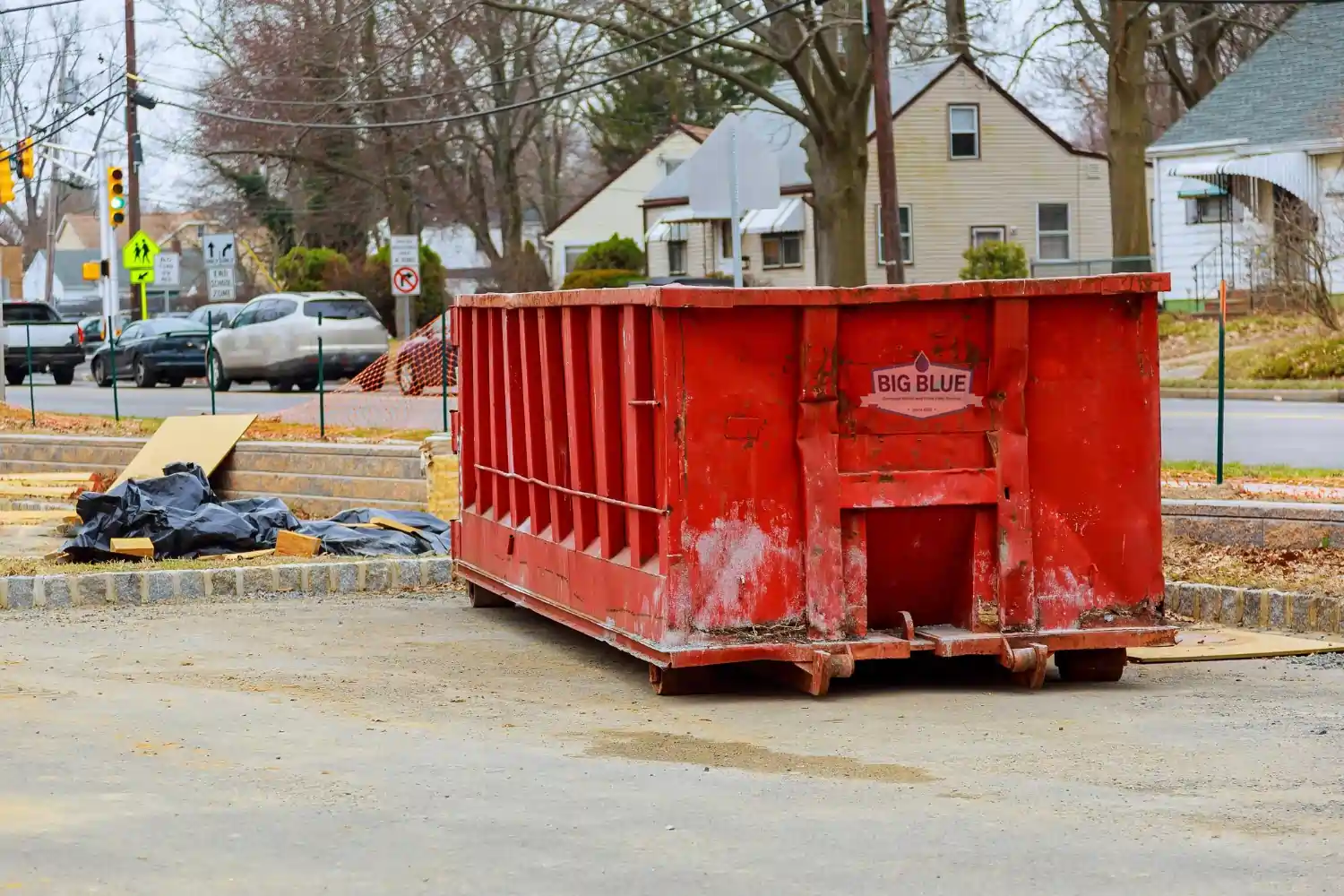
A roll off dumpster is a large, open top waste container delivered by a specialized truck that rolls it into place. The open design allows easy loading of bulky debris and construction materials. These containers are widely used for residential and commercial projects.

Can a dumpster be moved after delivery?

Roll off dumpsters are not designed to be repositioned without specialized equipment. Once placed, they should remain in that location until pickup. Moving a loaded container without proper machinery can be unsafe.

Can a dumpster be placed on a driveway?

Yes, dumpsters are commonly placed on driveways or other private property surfaces. The surface should be solid and level to prevent issues. Protective boards are sometimes used to reduce the risk of surface damage.

Do I need a permit to place a dumpster on the street?

In a lot of municipalities, placing a dumpster on a public street requires a temporary permit. Permit rules depend on the city or county and may include time limits or safety markings. Contact your local building department to clarify requirements.

How long can a dumpster rental last?

Rental periods normally cover a set number of days that align with common project timelines of one to two weeks. If you need more time, extensions are available with advance notice. Planning your rental window carefully helps avoid unnecessary costs.

Is it okay to dispose of appliances in a dumpster?

Many appliances are accepted, but units containing refrigerants, such as refrigerators and air conditioners, may require special handling. Disposal laws can vary by state due to environmental regulations. It's important to ask about requirements before loading these items.

Can yard waste go into a dumpster?

Yard debris like branches, leaves, and brush is usually accepted, especially during landscaping or storm cleanup projects. Some regions require that organic waste be separated from construction debris. Checking local guidelines can prevent sorting issues later.

What materials are typically prohibited in a dumpster?

Hazardous materials are generally not allowed in standard roll off containers. This includes chemicals, liquid paint, fuel, asbestos, medical waste, and certain electronics. Regulations vary by state and landfill, so it is always wise to confirm disposal rules in your area.

What happens if a dumpster is overloaded?

Dumpsters must be filled only to the top edge or designated fill line so they can be safely transported. Overloaded containers may need to be partially unloaded before pickup, which can delay your project. It may also lead to extra fees depending on local hauling rules.

Are there weight limits on dumpsters?

Yes, every dumpster comes with a weight allowance based on its size and the disposal facility’s regulations. Heavy materials like concrete, brick, soil, and roofing shingles can reach that limit quickly, even if the container is not completely full. Exceeding weight limits may result in additional disposal charges.

How do I choose the best dumpster size for my project?

Start by thinking about the type of material you are removing and how much space it will take up once broken down. A single room remodel creates far less debris than tearing out an entire roof or multiple walls. When in doubt, it's usually better to size slightly up rather than risk running out of space midway through the job.

What size dumpsters are typically available for rent?

Most rental providers offer roll off dumpsters in a range of sizes, starting around ten cubic yards and going up to forty cubic yards or more. Smaller containers work well for garage cleanouts or minor remodeling, while larger ones are designed for full home renovations, roofing jobs, and commercial construction projects. Choosing the right size helps prevent overfilling and reduces the risk of needing a second haul.