Menu
$15 OFF First Time Rentals - Call Big Blue Today!
$15 OFF First Time Rentals - Call Big Blue Today!
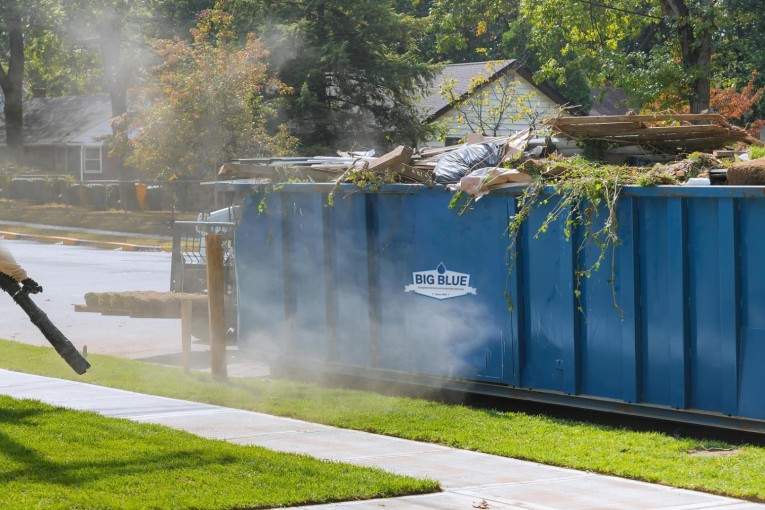
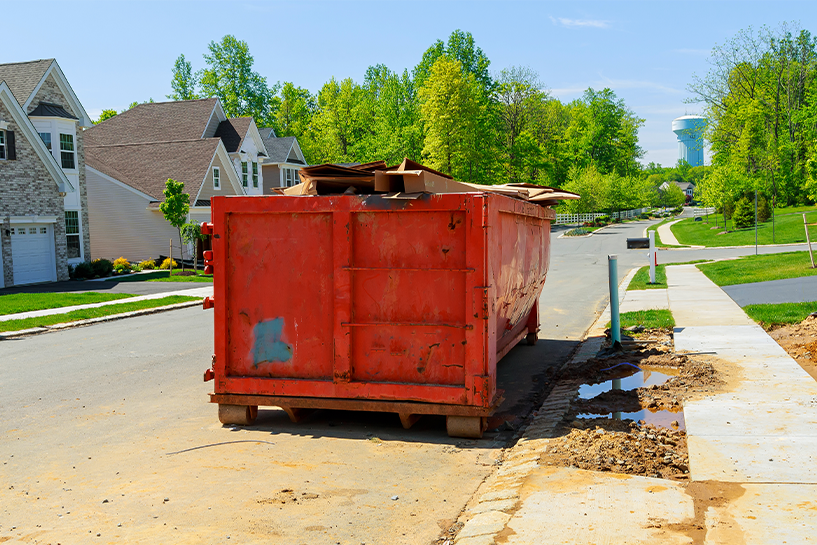
Renting a dumpster can be a game-changer for projects like home renovations, demolition, spring cleaning, and landscaping overhauls. Not only does it save you time, but it also enhances safety.
Most people tend to focus on size when they rent a dumpster—but weight limits are just as important. If you exceed the limit, you’ll have to pay overage fees, and the pickup crew may refuse to pick it up, leading to delays. In addition, overweight dumpsters pose serious transportation limits. This is why it’s imperative to familiarize yourself with dumpster weight limits.
Do you need reliable dumpster or porta-potty rental? We offer residential, commercial and construction roll-off dumpster & portable toilet services.

Every job site produces more debris than expected. Securing the right construction dumpsters…

Renting a commercial dumpster sounds simple until you're staring at a surprise overage…

Home projects have a way of expanding once you get started, and lining…

Planning an event, managing a job site, or setting up a temporary workspace…
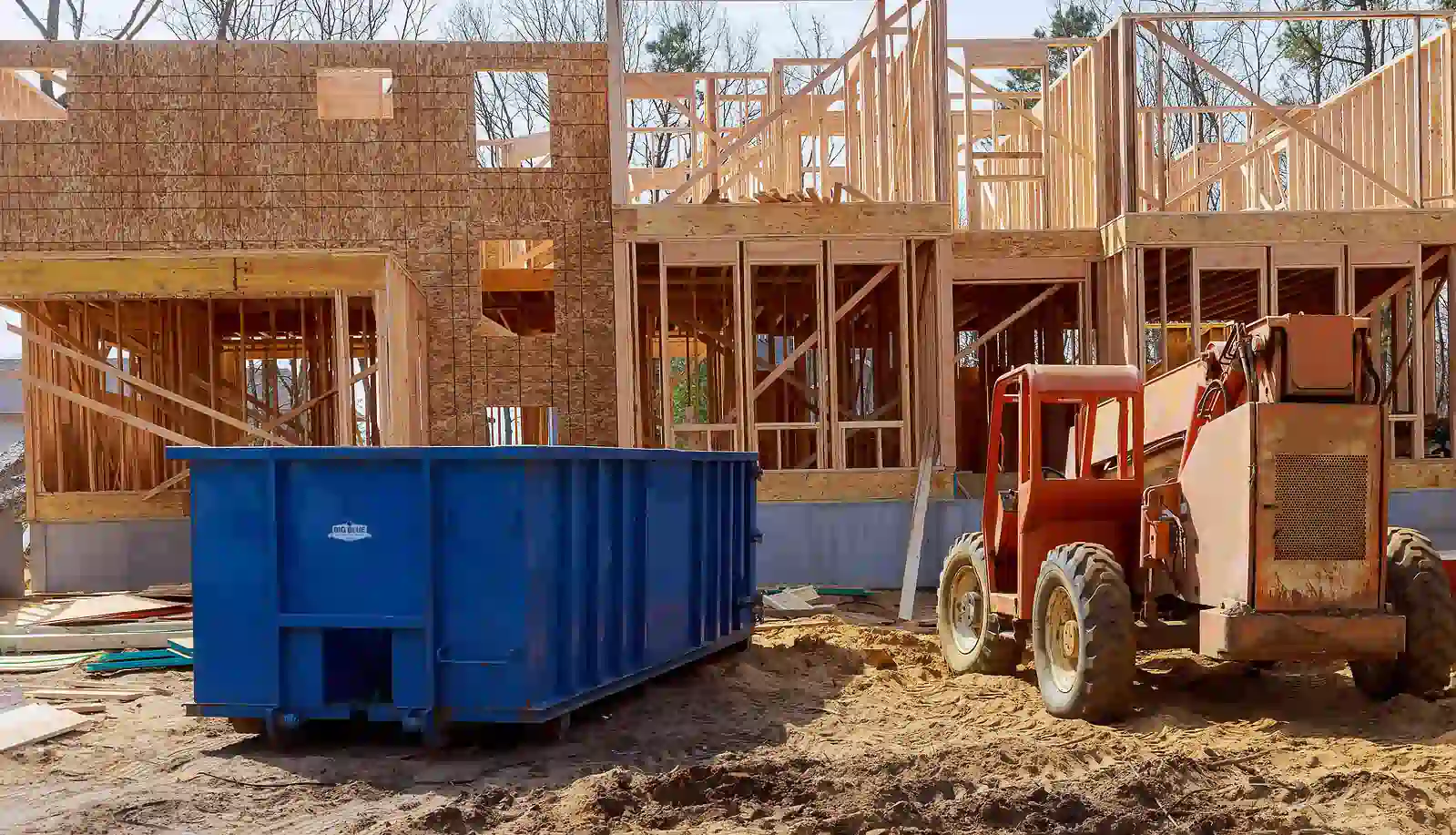
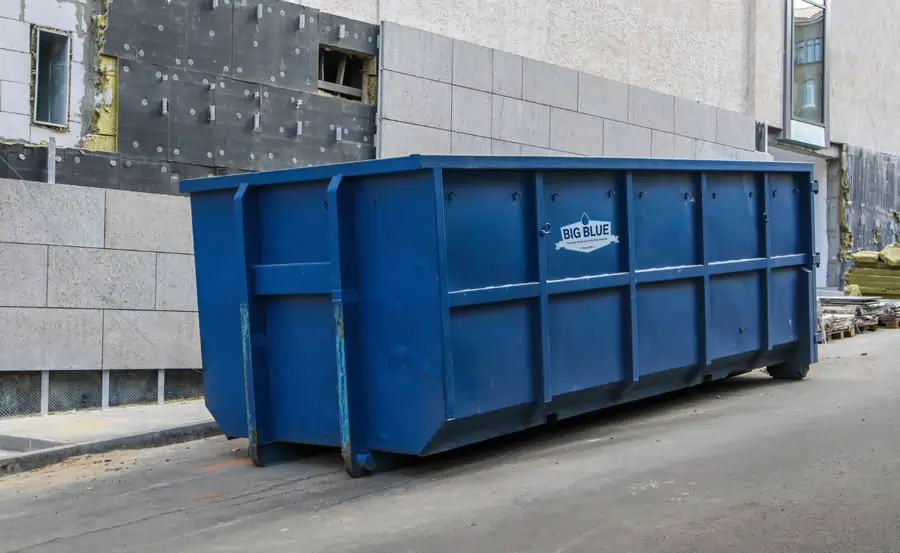
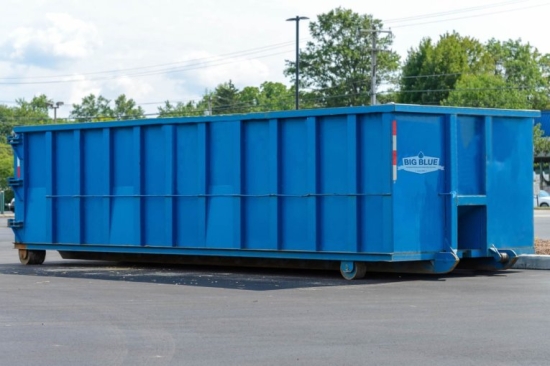
At Big Blue, we’ve been a trusted dumpster rental company for years, offering budget-friendly dumpsters for various uses. Today, we are here to talk about dumpster weight limits.
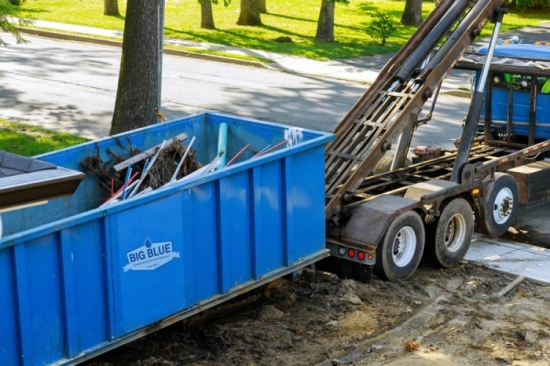
Dumpster trucks are designed to safely carry only a certain amount of weight. Overloaded dumpsters can create transportation hazards, damage roads, and place excessive strain on hauling equipment. In addition, local landfills often charge disposal facilities based on weight, which directly affects dumpster rental pricing.
Because of this, dumpster rental companies include a specific weight allowance with each container size. If the dumpster exceeds that limit, overage fees are typically added to the final bill.
In general, larger dumpsters are designed to hold more weight than smaller containers. However, the type of debris inside the dumpster often matters more than the amount of space it takes up.
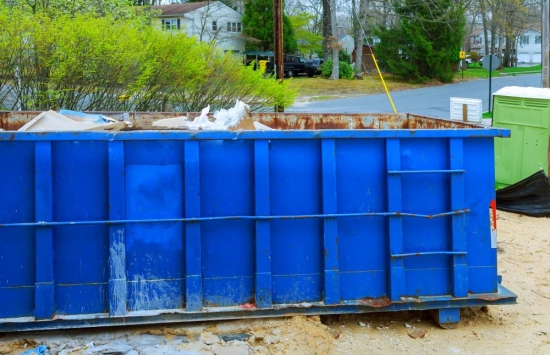
For example, lightweight household junk may fill an entire dumpster without exceeding the weight allowance. On the other hand, heavy materials such as concrete, roofing shingles, dirt, brick, or asphalt can reach the weight limit long before the dumpster appears full.
A small dumpster loaded with heavy construction debris can easily weigh more than a large dumpster filled with furniture or cardboard boxes.
Certain materials are much heavier than people expect. Construction and demolition projects often generate dense debris that quickly increases dumpster weight. Heavy materials commonly include:
These materials may require special dumpsters with lower fill limits to ensure safe hauling. Ideally, a 15-yard roll-off dumpster is recommended for heavy items like concrete, brick, and asphalt.
After a dumpster is picked up, it is usually taken to a landfill or disposal facility where it is weighed on an industrial scale. The truck is weighed both before and after unloading the dumpster contents. The difference between those two measurements determines the total weight of the debris.
If the weight exceeds the included allowance stated in the rental agreement, the customer is charged based on the extra tonnage.
Exceeding the dumpster’s weight limit often results in additional charges that can increase project costs. These fees are typically calculated per ton over the included limit.
Overfilled or overweight dumpsters may also create safety issues during transport. In some cases, drivers may not be legally allowed to haul overloaded containers until excess material is removed.
Understanding weight restrictions ahead of time helps avoid delays, extra labor, and unexpected expenses. Ask your dumpster rental company about their weight limits in order to
Big Blue is the company you can rely on when you’re looking to rent a dumpster. Our goal is to make dumpster rentals simple, flexible, and affordable. We offer flat-rate pricing, flexible rental periods, fast delivery, and eco-friendly waste disposal. If you need reliable and budget-friendly dumpster rental service, call Big Blue now.
Roofing projects can generate a significant amount of waste, making proper disposal essential to keeping the worksite organized and safe. A…
Learn More