Menu
$15 OFF First Time Rentals - Call Big Blue Today!
$15 OFF First Time Rentals - Call Big Blue Today!
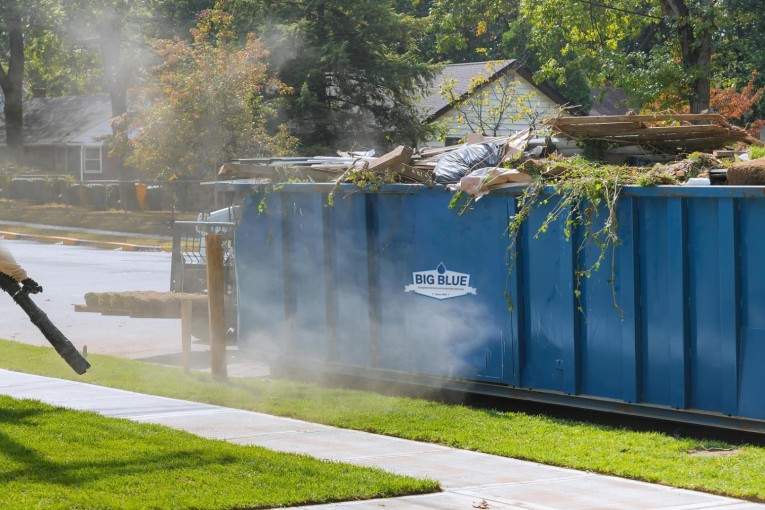
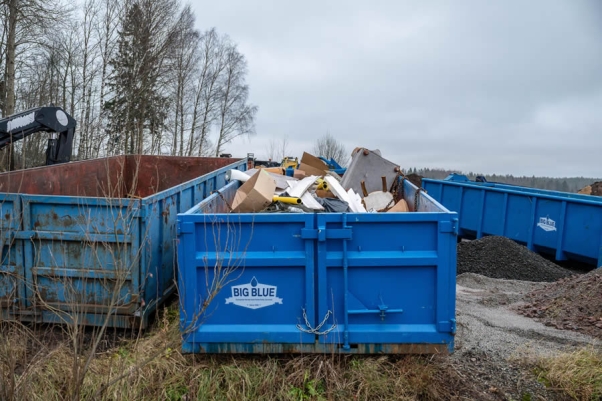
You've got a project lined up, and you know regular trash pickup won't cut it. Maybe it's a kitchen remodel, a garage cleanout, or a landscaping job that's been on the list for two years. Whatever the job, the debris has to go somewhere. Big Blue helps homeowners and contractors get the right container for the job so nothing gets left behind. If you want to avoid paying for a second haul or cramming material into a unit that's too small, keep reading.
The most common mistake people make when they rent a dumpster in Belleview, FL is choosing a size based on a rough visual guess. A bathroom remodel and a full garage cleanout look similar from the doorway but generate very different volumes. Getting specific about your project type is the first step toward picking the right container.
Do you need reliable dumpster or porta-potty rental? We offer residential, commercial and construction roll-off dumpster & portable toilet services.

Every job site produces more debris than expected. Securing the right construction dumpsters…

Renting a commercial dumpster sounds simple until you're staring at a surprise overage…

Home projects have a way of expanding once you get started, and lining…

Planning an event, managing a job site, or setting up a temporary workspace…
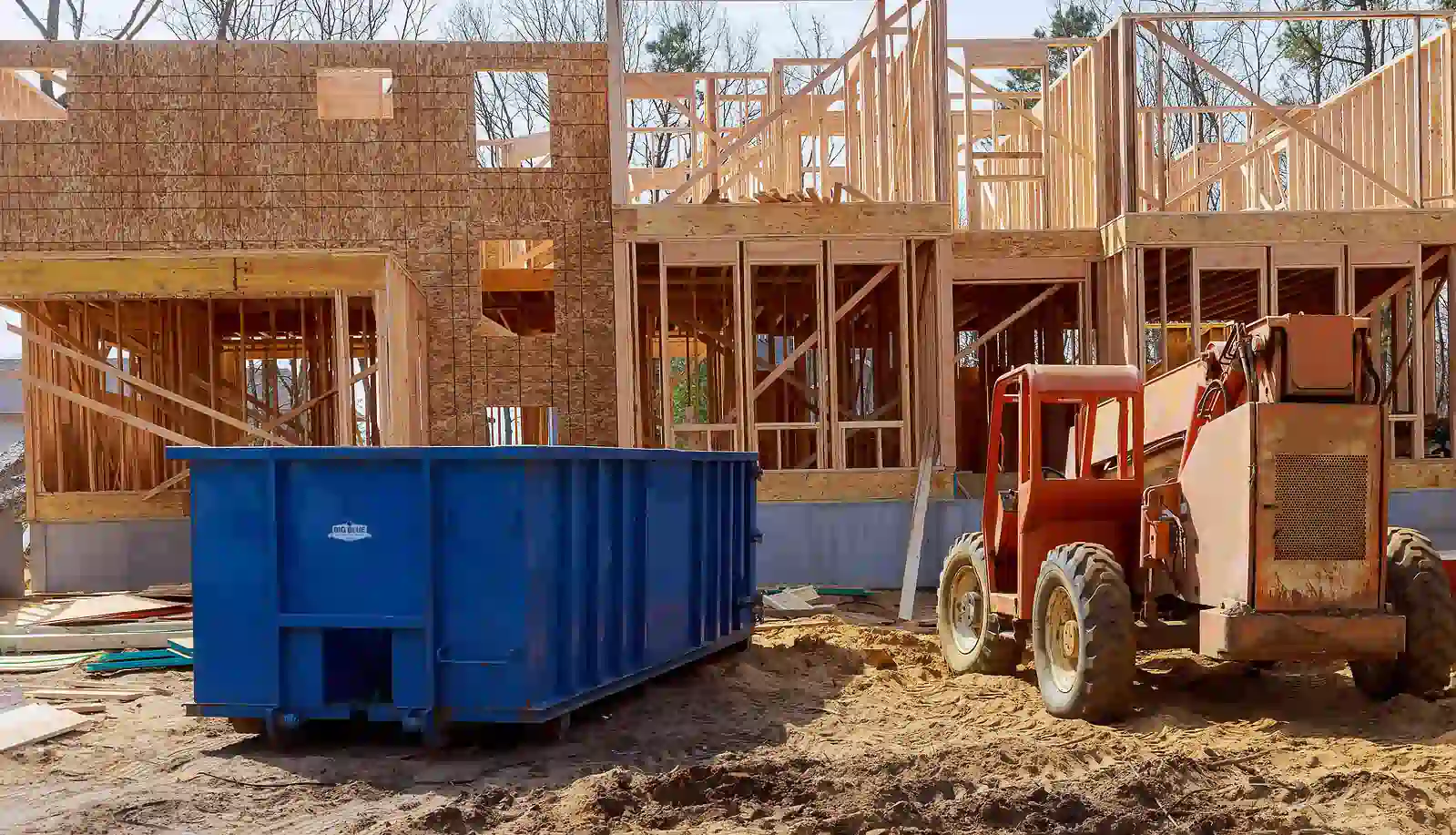
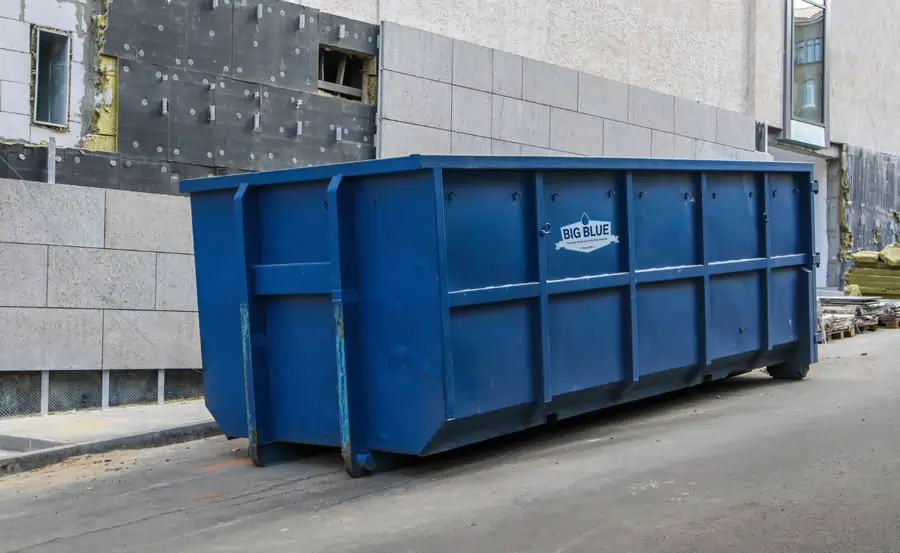
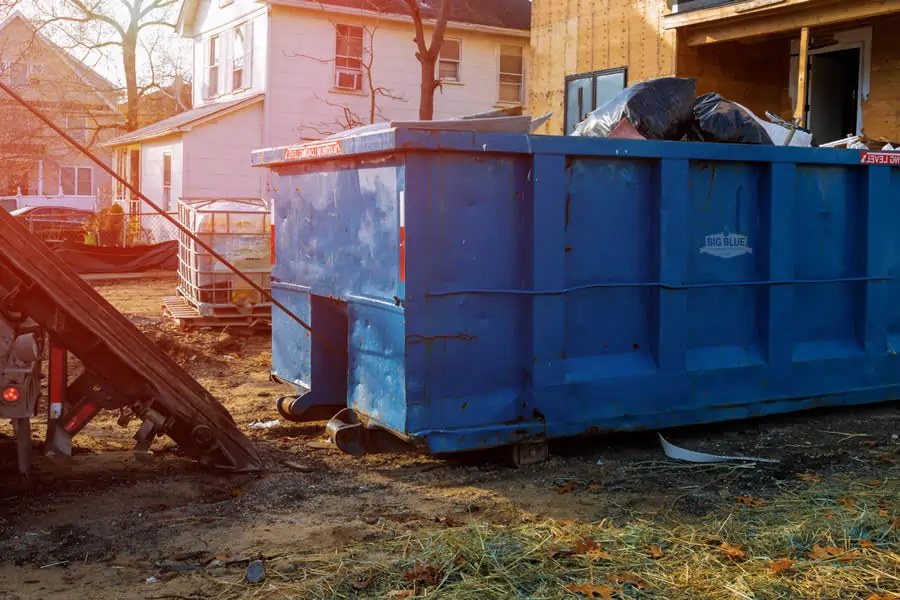
Renovation projects produce dense, heavy debris like drywall, tile, concrete, and lumber. Cleanouts generate lighter but bulkier loads like furniture, boxes, and old appliances. These two categories fill containers differently, so a size that works for one won't necessarily work for the other. A couch takes up a lot of cubic footage but weighs very little. A pile of broken concrete takes up a fraction of the visual space, but can push a container past its weight limit before it looks half full.
Write down every category of material you plan to dispose of before you call. Note whether it's heavy construction debris or light household junk, and estimate the quantity of each. That list gives you a concrete starting point instead of a guess, and it helps the rental company confirm you're looking at the right size. Most providers will ask exactly these questions when you call, so having the answers ready speeds up the booking process and reduces the chance of an expensive sizing error.
Container sizes are measured in cubic yards, which represents the total volume the unit can carry. One cubic yard equals 27 cubic feet, which is about the size of a washing machine. That reference point helps when you're trying to visualize how much material will fit. Here's a practical breakdown of what each common size handles:
When you're between two sizes, go with the larger one. A half-empty container costs less than scheduling a second pickup. Companies charge a flat fee for the initial drop, and a swap or second haul adds a separate delivery charge on top of whatever you're already paying. The price difference between a 20-yard and a 30-yard unit is almost always smaller than the cost of a second trip.
Volume is only half the equation. Every dumpster comes with a weight limit, and exceeding it triggers overage fees that can add a substantial amount to your final bill. Most residential containers cap out between one and two tons, depending on the size. Commercial units carry higher limits, but they come at a higher base price.
Heavy materials are the main culprit. Concrete, dirt, roofing shingles, and brick are dense enough to max out a weight limit before the container looks anywhere near full. A single layer of old concrete pavers across the bottom of a 10-yard container can account for half the allowed weight before you've added anything else. For projects involving these materials, keep waste dumpsters dedicated to heavy debris rather than mixing them with lighter household junk. Mixing the two pushes you toward the weight ceiling faster and leaves less room for the bulkier items still waiting to be loaded.
If your project involves concrete, soil, or roofing material specifically, ask about containers designed for heavy loads. Clarifying this upfront costs nothing. Always confirm the exact weight limit for the container you're renting before the project starts.
Most dumpster rental agreements run seven to ten days. For weekend cleanouts, that's plenty. For larger renovation projects that involve multiple contractors or phases of work, a standard window may not cover the full scope. Knowing your timeline before you book prevents you from rushing the last stage of a project or paying extension fees because you ran two days over.
Coordinate your rental start date with when debris will actually hit the container. Booking three days before demolition begins burns rental time on an empty unit that's just sitting in your driveway. Schedule your delivery for the day work starts, and build your project schedule around the rental window so you're not holding a container you're not actively filling. A few other logistical details are worth confirming before delivery day:
Big Blue delivers waste dumpsters directly to your driveway and hauls everything away when you're done. There are no landfill runs or second-guessing where the trash is going to go for your next cleanout or construction project. Call us today to book your dumpster rental and get the job finished on schedule.
Getting a dumpster rental quote is simple enough, but the final invoice doesn't always match what you expected. Extra charges…
Learn More