Menu
$15 OFF First Time Rentals - Call Big Blue Today!
$15 OFF First Time Rentals - Call Big Blue Today!
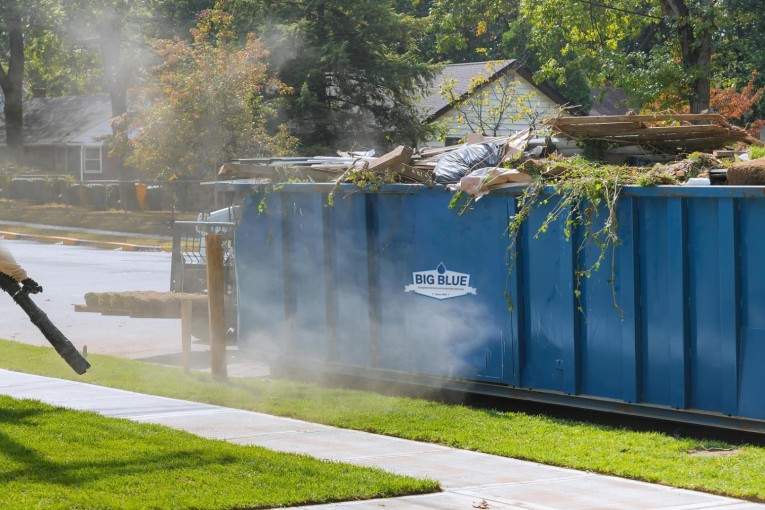
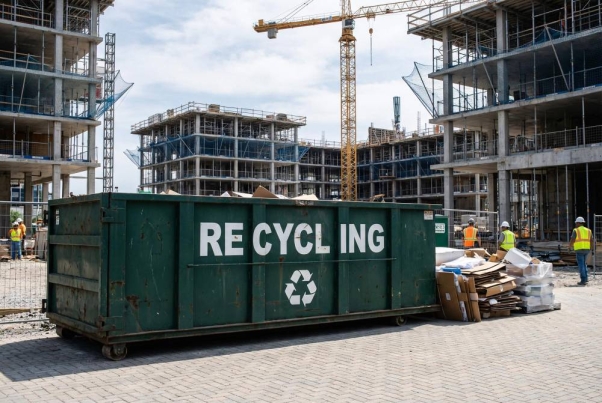
Most contractors assume recycling on a job site means hauling separate bins, coordinating multiple pickups, and burning time no one has. At Big Blue, we see that assumption costs crews money and compliance points on green-certified projects every season. The good news is that a single dumpster rental can do the heavy lifting when you know how to set it up right. If your project has any sustainability requirements, keep reading before your next load hits the ground.?
Green construction projects have waste diversion requirements written into the contract. A LEED-certified build, for example, normally requires diverting at least 50% of construction waste from landfill, and some project specs push the number to 75% or higher. If you miss the target, the project loses certification credits. When enough credits are lost, the whole certification falls through.
Do you need reliable dumpster or porta-potty rental? We offer residential, commercial and construction roll-off dumpster & portable toilet services.

Every job site produces more debris than expected. Securing the right construction dumpsters…

Renting a commercial dumpster sounds simple until you're staring at a surprise overage…

Home projects have a way of expanding once you get started, and lining…

Planning an event, managing a job site, or setting up a temporary workspace…
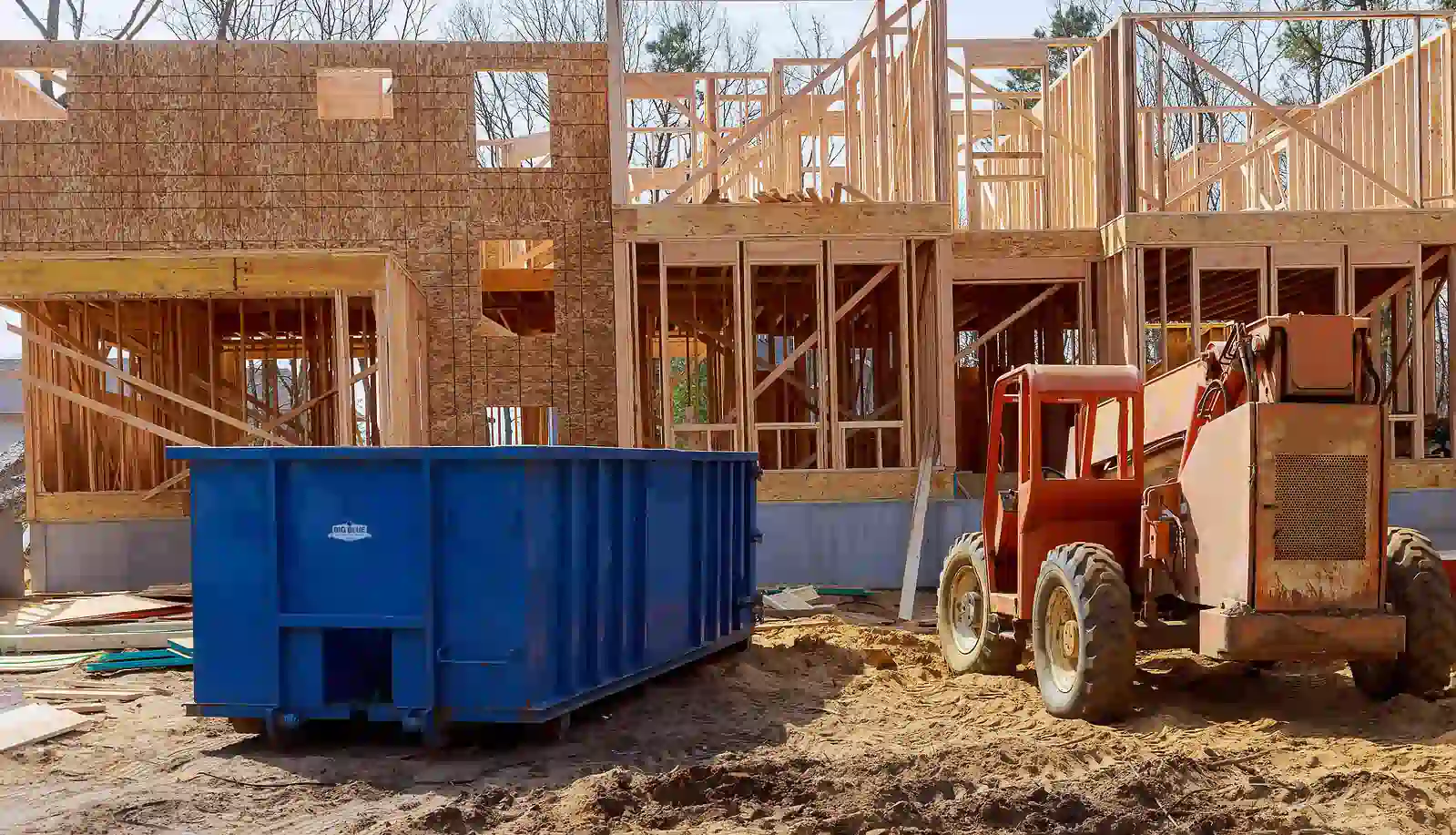
Standard commercial jobs don't face that scrutiny. Inspectors aren't logging what goes into the bin or requesting material-by-material breakdowns. Green projects differ because the waste stream is part of the documentation package and is reviewed by third-party verifiers, not just the general contractor.
It changes how you approach everything from demo day to final cleanup. The bin on site is a data point tied to a credit that someone is going to check. Subcontractors who understand this from the start make compliance easier than those who treat waste management as someone else's job.
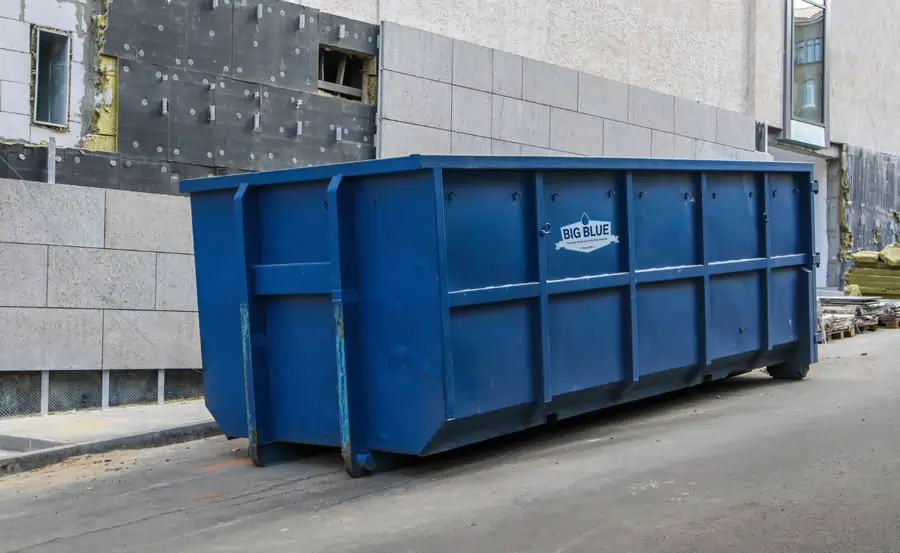
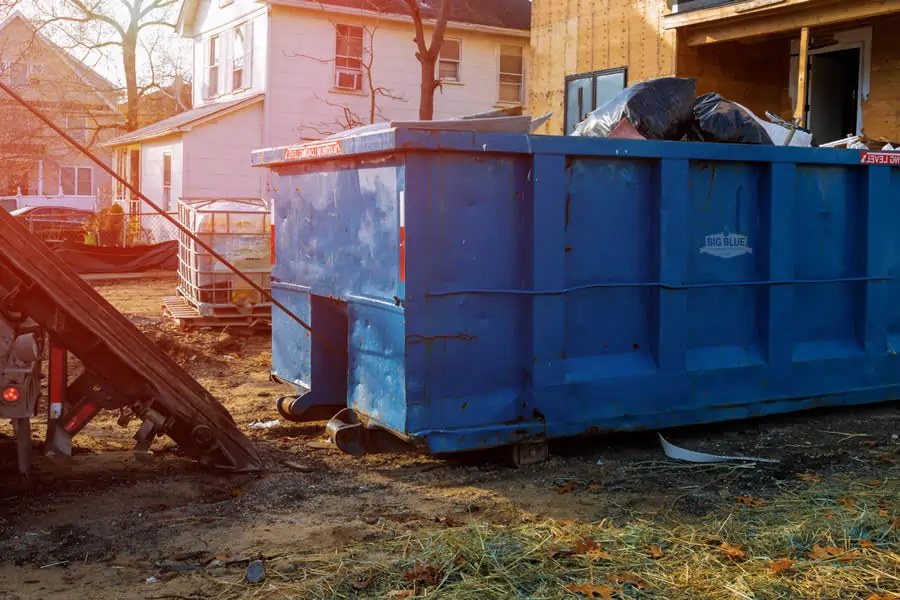
A zoned dumpster system divides a single container into designated sections without requiring physical barriers in most cases. Crews assign zones by material type, mark them with spray paint or hanging tags, and brief everyone on the layout before work starts. The most common breakdown separates clean wood, drywall, metal, and general debris into distinct areas of the container.
This works because construction waste arrives in phases. Framing generates wood scrap. Finishing generates drywall dust and cut-offs. Rough-in work generates copper, conduit, and wire. When crews load by phase and by zone, the container stays organized long enough to document and sort before the pickup.
The system breaks down when mixed loads get tossed without a second thought. A concrete chunk that lands on top of clean lumber contaminates the wood diversion pile and drops your recovery rate. Keeping zones intact is a crew discipline problem more than a logistics one. A five-minute tailgate on zone rules before the first load goes in prevents hours of re-sorting later.
Not every material on a job site has recycling value, but several do. Targeting the right ones moves your diversion numbers fast. The materials worth separating in most green construction projects include:?
Concrete and masonry should be separated if your project generates a large volume. Smaller quantities don't justify the handling time, but large demo piles qualify for crushing and reuse as road base or fill material.
The materials that aren’t worth sorting are anything contaminated with mixed composites or heavily saturated insulation. Those go to the landfill regardless of how you sort them. Knowing the difference before crews start loading saves time and keeps your diversion log accurate. It also prevents your recycling facility from rejecting a load and sending it straight to the landfill anyway.?
Documentation is where green projects either earn or lose certification credits after the work is done. The standard approach requires weight tickets from your hauler, receipts from recycling facilities, and a diversion log that matches dates to material types. LEED's MR Credit for Construction and Demolition Waste Management specifically requires you to track the total waste generated and the total waste diverted, by weight or volume.
Start the paper trail on day one. When you rent a dumpster in Hernando, FL, confirm your hauler can provide itemized weight tickets broken down by material category. Not every company offers this, and finding out at project closeout is a problem. Ask before the container hits the driveway. If your hauler can't produce per-material weight documentation, you may need a different hauler for this type of project.
Your diversion log doesn't need to be complicated. A spreadsheet with the date, material type, estimated or confirmed weight, and receiving facility name covers the basics for most compliance reviews. Take photos of sorted loads before pickup. If an auditor questions your numbers, visual records close the argument faster than anything else. Build the habit from day one, and the final compliance report assembles itself from records you already have.?
The projects that miss their diversion targets usually just need a better system. Green construction waste management requires the right container size, a crew that knows the zone layout, and a hauler who can back up your diversion claims. Those three things working together are what keep a project on track for certification without adding overhead to your schedule. When you rent a dumpster for a LEED project, a green-certified build, or any job with a sustainability requirement, the container setup and the documentation process have to work together from the start. Big Blue is here to help local contractors reach their goals with less stress. Contact us before your next project starts.
Winter is almost over, and spring is just around the corner. That means it’s time to roll up your sleeves and…
Learn More